UAL 2 Final Project Proposal

S.T.OB Analysis:

Strengths:

I like to think I have a unique talent for blending different types of multimedia and creating visually stunning collages. My ability to express abstract concepts through my work sets myself apart, and I’d like to think my creativity knows no bounds.

Things to develop:

I found that in the world of portraiture, there where endless possibilities for creative expression. By exploring mixed media techniques, i’ll be able to bring a unique depth and texture to my portrait. With the combination of traditional drawing and painting methods, along with digital tools, i’ll be able to experiment with new forms and push the boundary of what is possible in portraiture.

Opportunities:

With creative freedom of Mixed media portraiture it will allow for a wide range of creative expression. With the ability to use a variety of materials I can create unique textures, layers, and color schemes that are not possible with traditional media.

The exploration of new materials is an exciting part of mixed media portraiture I look forward to. Hopefully i’ll explore different types of paper, fabric, paint, and even found objects to add depth and dimension to my piece.

Personalization will allow me to incorporate meaningful elements, such as photographs, text, or symbols, that represent my subject’s personality and identity..

Barriers:

My own negative thoughts, beliefs, and fear of failure could very well create a mental barrier that prevent from reaching overall potential.

Exploring Portraiture in a Non-Traditional Sense: A Study on Trauma

Introduction:

The purpose of this project proposal is to outline a plan for my development and implementation of my personal project aimed at exploring the myriad of media on portraiture in a non-traditional sense. The project will specifically focus on the underlying message of how I perceive traumatic experiences in portraiture. The proposed project aims to push the boundaries of traditional portraiture by utilizing various media i’ve learned over the year incorporating such media as photography, painting, and mixed media to convey the emotional complexities of trauma. Through this project, I hope it can create a platform for discussion and awareness surrounding the long-lasting impact of trauma on individuals.

My Objectives:

To explore the emotional complexities of trauma through portraiture

To challenge traditional concepts of portraiture by utilizing various media

Hopefully create a platform for discussion and awareness surrounding trauma

Scope:

The scope of this project will include the creation of a series of portraits I hope to incorporate into one another that will represent the emotional impact of trauma. The portraits will utilize various media, such as photography, painting, and mixed media, to convey the message in a non-traditional sense. The project will also include a series of written pieces that will accompany the portraiture. These written pieces will envelope the emotional complexities of trauma and the inspiration behind each portrait. I hope to encapsulate reasearch and contextuals from an upcoming Peter Howson exhibition, my recent experience at ex CAP student Sam’s Exhibition “I WoZ ErE” and using Francis Bacon’s experience with trauma and violence in his work to derive inspiration for my final Piece.

Deliverables:

The deliverables of this project will include a collection of collaged portraits and written pieces that will be presented at the exhibition at the end of the year. Hopefully at the exhibition my piece will serve as a platform for discussion and awareness surrounding trauma.

Timeline:

The proposed timeline for this project is approximately 6 weeks, with the following key milestones:

Week 1-2: Research and development

Week 3-5: Creation of portraits and written pieces

Week 6: Exhibition preparation

I plan to evaluate all my work throughout this whole process stopping to evaluate how taking any tangent choices could affect the outcome of the work in question and an encapsulated final end of project evaluation.

Resources:

The resources i’ll likely require to successfully execute this project include access to various media and materials for the creation of the portraits.

Conclusion:

The proposed project aims to explore the emotional complexities of trauma through portraiture, utilizing various media to challenge traditional concepts of portraiture. The project will hopefully create a platform for discussion and awareness surrounding the long-lasting impact of traumatic experiences on individuals. With careful planning and execution, this project has the potential to create meaningful change on myself and hopefully inspire individuals to take action towards promoting mental health and wellbeing.

Experimenting with Digital Art

Experimenting with Digital Platforms: A Journey into Alternative Graphic Logos and Clothes Design

As my tutor tells me, we are all artists, and I have always been fascinated by the limitless possibilities of digital art. Over the past few days I have taken a head deep dive into experimenting with digital platforms such as Photoshop and Procreate to design somewhat alternative graphic logos and designs for clothing thT id like to wear personally, and as a easy way to spread my art out into the world. The experience has been pretty challenging as I’m not the most tech savy of individuals, but it’s been massively rewarding, and I feel i have learned so much about the power and versatility of digital art. In this blog post, I will share my mini journey and the lessons I have learned on it.

Getting Started with Photoshop and Procreate

My first step was to get familiar with the tools and features of both Photoshop and Procreate. I started by playing around with different brushes, colours, and techniques that I had picked up on various YouTube videos to get a feel for the software. I was immediately struck by the versatility and flexibility of these digital platforms it was alarmingly overwhelming. With a simple click of a button, I could change the size, shape, and texture of my brush or adjust the colours and tones of my artwork it was insane! And a back button when I made a mistake!!!

Designing Alternative Graphic Designs

Once I felt semi comfortable with the tools, I began to doodle and experiment with designing alternative graphic designs. I was inspired by the bold, grainy, and striking lino tarrot designs I had drooled over on a previous project and wanted to see what I could create in a similar style. I started by sketching out some rough ideas on paper, with ink then bringing them to life using Photoshop, damn how filters and changing colour values can make all the difference.

One of the biggest challenges I faced was finding the right balance between simplicity and impact. I wanted my designs to be eye-catching and memorable, but also legible and easily recognizable. I played around with different shapes, colours, and typography until I found the right combination that conveyed my desired composition.

My next challenge was to take my graphic designs and apply them to the clothing. This was a whole new level of complexity, as I had to consider the shapes and forms of the clothes, as well as the way that my designs would look on different fabrics and materials but my chosen POD partner has really helped with guidance on this part which was a weight of my shoulders.

So i started by sketching out my designs on paper again, then brought them to life using Procreate. I was amazed at the level of control and precision I had with the software again I could adjust the size and placement of my designs with ease, and experiment with different color combinations to see what worked best and asking everyone in the community on social media really did help with my choice of colours, I can’t thank everyone enough for the C&C.

Lessons Learned and Moving Forward

My little journey into experimenting with digital platforms has been an incredible experience, and I have learned enough about the power and versatility of digital art to have a basic understanding. I have discovered that with the right tools and techniques though I can create anything I can imagine and bring my unique vision to life.

Moving forward, I think I’ll plan to continue to explore the possibilities of digital art and to push the boundaries of what is possible. I believe that the future of art may well overall be digital after my experimenting, and im not saying traditional art doesn’t have a place, and I am excited to be a part of it.

In conclusion, for those like me who have never tried digital art i encourage those to embrace the power of digital art and to experiment with new tools and techniques. Whether you are a seasoned professional or just starting out, the world of digital art is waiting for us, its probably a cliche but its full of endless possibilities and opportunities to express your creativity.

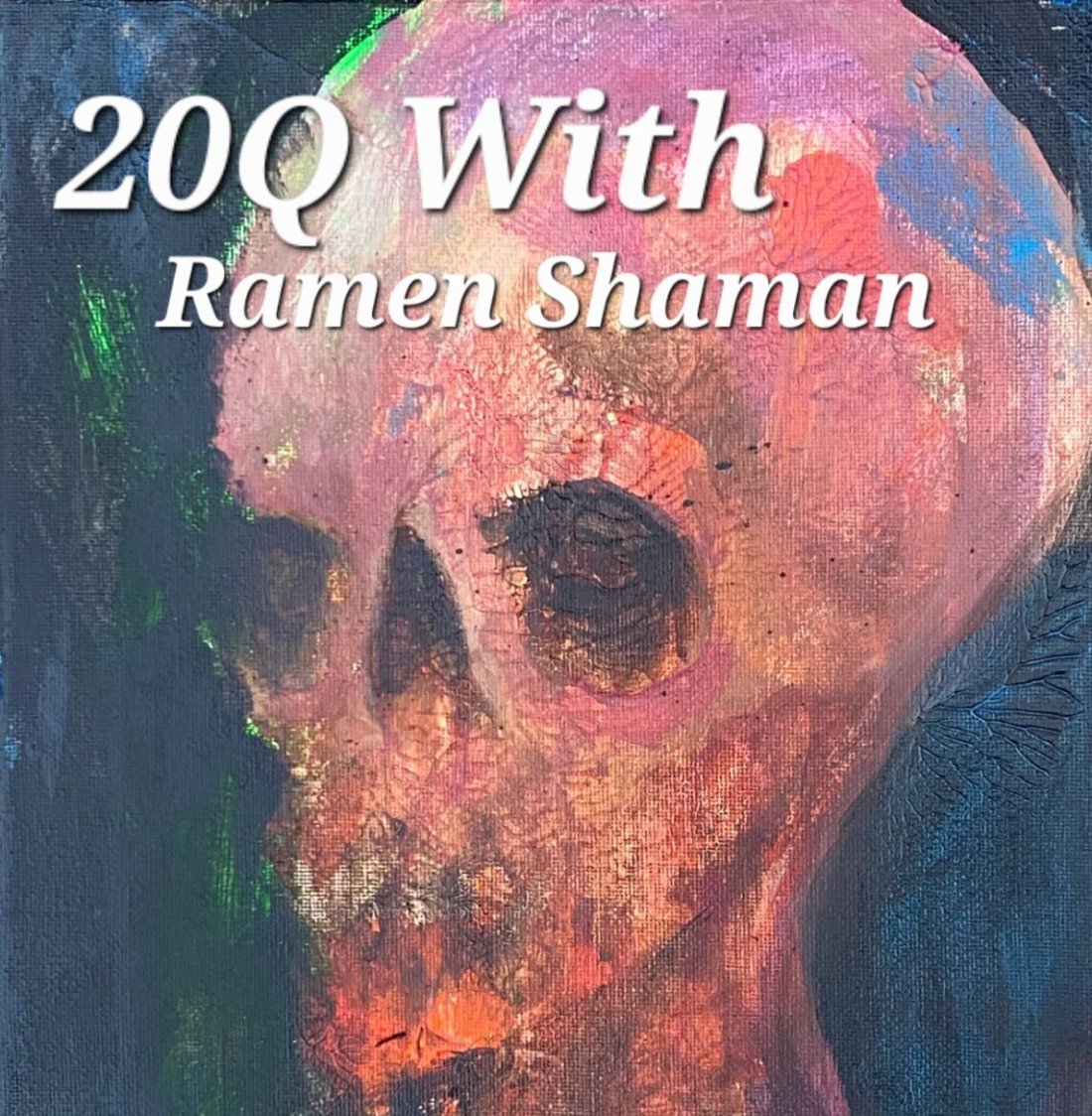
20Q With Josh Foster

Hello Ramen, it’s great to be able to have your contributionto 20Q. As an admirer of your work, I’ve been following your journey on Instagram for some time now and I have to say, I’ve always been in awe of the way you paint emotional states so beautifully and compositionally in your pieces. Your work truly captures what i feel the dark essence is of the human experience and I’m honored to have the opportunity to chat and read your journey and responsesto the questions i sent over. Thank you for taking the time to join us. So onto the meat and gravy!

What inspired you to start painting and how did you first get into it?

I grew up drawing and painting. My brother was very creative and inspired me to look for art in all places. My parents always got me art supplies, but never encouraged me to go into art school because it wasn’t financially viable.

How has your artistic style developed over time and what influences it?

I’ve always been more interested in drawing dark things. There was a period of time I wasn’t creating, but from that break came a lot of pent up frustration. I started with creating surreal cartoon characters. This continued on in my earlier oil paintings and eventually my work with watercolors. It was only after quitting drinking that I came to this particular style. Since then I’ve begun drinking again and I feel a lot of this style comes with my struggles with addiction and mental health. It is the most effective way I’ve found in expressing myself, so until I find some other form of artistic expression, I’ll continue with this style.

What role does social media play in your art practice and how has it impacted your work?

It is a necessity in our world, I can’t stand spending much time consuming content on these platforms. I find myself wallowing in doubts after spending any amount of time there. If I didn’t post on social media I definitely would not have garnered the audience that I have. If I can get at least one person to see my art, it’s worth it in my eyes. I hate the prevalence of short form video, but I go with the flow in hopes of putting my art in front of new eyes.

Can you walk us through your creative process when painting a new piece?

I start with multiple canvases, I apply large amounts of paint for texture / underpainting. I then choose some of those to continue on immediately, while others wait to dry. From these I jump back and forth until something comes out that I am happy with. I really am not thinking about the process whilst working, it’s more feeling everything out until I get to the place I want to be. I definitely feel as though I am channeling subconscious things through this quick and loose process.

What is your favorite medium to work with and why?

Acrylic, they dry fast and can create a good texture when layering. It’s also versatile when it comes to different materials, I don’t like to put thought into the adhesion of paint to the medium.

How do you approach incorporating color into your work?

I used to work exclusively with ROYGBIV for an effect using 3D glasses. This limitation carried over into my current work by usually adding warm tones to the subjects while letting the cool colors recede into the background. I went through a very dark/fleshy period as the pandemic hit. After this long dark period I decided to try and incorporate more color, kind of channeling the oversaturation of the world when under the influence of psychedelics. Lately I’ve been working on balancing the vibrant colors with some more muted colors.

How do you handle artistic block and how do you overcome it?

I have several books with simple exercises that usually help me break through the initial wall. Honestly if I hit a hard rut to pass I just take a break and focus on music or do some sketchbook work. I made my mind up years ago that I will make art for the remainder of my life, so these times will come and go, my goal will remain the same.

What are some of the challenges you’ve faced as a painter operating on Instagram?

There are so many challenges, it’s a very saturated market with so many talented artists. Instagram doesn’t share any information on marketing outside of paying for their advertising, which in my experience is very ineffective. So many people claim to have figured out how to break through, but these claims are all over the place. I will follow the tips and tricks only to end up right where I started. Lately I put less focus on anything there besides making posts semi-regularly. Getting caught up in the numbers will always put me into a funk. This is where my largest following is, but even then Follower engagement is terrible. All in all the chance of getting any sort of virality keeps me stuck to social media.

Can you tell us about a particularly memorable project you’ve worked on?

My first series, Trauma Fossils. This solidified my current process and was the first collection of art that really touched on a certain time. I haven’t had a proper gallery showing since then, so the deadline, setup, and opening were really an experience. The driving force behind my output has been the art fairs / oddity events I’ve been vending at.

How do you approach promoting your work and building a following on social media?

Repetition and persistence, I experience the best website traffic when I’m actively promoting an event on social media. I went through periods of regular posting and with that comes an increase in sales. When I ignore social media the traffic kind of stagnates.

How do you stay inspired and continue to grow as an artist?

Use my imagination every day, play games like ‘pretend i’m a giant robot’ or ‘pretend i’m being followed’ Sometimes I look at the clouds and pretend I’m looking down on another planet. I don’t really take a break from creative endeavors, if I’m not expressing myself through painting, I am through many other avenues.

What role does feedback from your followers play in your creative process?

Support always goes a long way. When it comes to making work, I don’t even think about my followers. I found that there’s a home for any painting, so regardless of what they may think, it doesn’t change the course I follow.

Can you tell us about a painting either your own or by another artist that holds a special meaning to you?

I can’t afford to own any of the pieces I appreciate by current artists, so I really don’t own much art. Usually it’s a body of work instead of individual paintings I find special. I can’t put my finger on a single piece by any of my favorite artists that stand out to me, more so the entirety of the work they make.

How do you approach pricing your work and determining its value?

This is a hard one. The main point behind my pricing is accessibility. I want my art to be in as many places as possible, in a sense like tagging for a graffiti artist. These artist also spend large amounts of time creating their pieces only to have them painted over. With that in mind I can let go of original pieces for these low prices because most graffiti artists don’t even profit from their work. My pieces take days to come together, though there are a rare few that come together in a day, but I don’t think about this time as something I need to be paid for. I LOVE to paint and to create, these paintings are a byproduct of my tireless pursuit of painting. I want people to enjoy these pieces, I want them to have a piece of ORIGINAL art in their house, I want their friends to see it and buy one for their own place. I’ve had so many people tell me that they saw one of my pieces at a friends place. Even more importantly I’ve had people tell me that buying my art began their journey in collecting art. The more high-priced pieces are merely priced at that point because I don’t want to let go of them, but if someone wants to pay that price they deserve it more than I do.

What advice would you give to someone who wants to pursue a career in painting?

Have another job or be ready to do commissions. I was not traditionally trained and was self taught, so I’m sure it’s different for someone trained to make art commercially, but I hate commissions. I like to keep things interesting so I have a lot of odd jobs and time for other pursuits. Overall persistence is key and with that there is no limit to what you can accomplish.

How do you handle criticism and negative feedback in regards to your work?

Ignore it, I really could care less about what negative things people have to say about my work. I am making this journey on my own and I don’t need anyone’s opinion on where I should go or how I should do it. Constructive criticism is important, but not when it comes to my art, this is for me, by me.

Can you tell us about a project that pushed you out of your comfort zone creatively?

Murals, I want to do more traditional murals, but I have no examples of what I can do and when given the opportunity to make a mural most people require things that are well out of my comfort zone. It’s challenges like these that help us grow, so I’m always open to new types of projects.

How do you think the art industry is changing in recent years and how have you adapted to these changes?

I’m so far removed from the industry, I have no idea what’s going on there. I’ve found personally that proper art showings do not work for me and I exist better in a vendor environment where I can interact with those buying my art. As with any sort of industry nowadays, success is usually hinged on a social media presence.

Can you tell us about an artist that has had a significant impact on your life?

Francis Bacon, HR Giger, Fransisco Goya, Hieronymus Bosch, Van Gogh

What do you hope people take away from viewing your work and what message do you hope to convey through your paintings?

You can do this, we all go through hard times, and you aren’t alone.

I want people to express themselves and exercise their demons through art.

Again, thank you so much for taking the time to speak with me today, Ramen. It’s been an absolute pleasure to learn about your creative process and your passion for art. As I said I’ve been following your work on Instagram for a while now and I am consistently amazed by the way you are able to paint emotions in your compositions. Your ability to capture and convey complex emotions in your art is truly inspiring. I hope to continue following your journey as an artist and learn from your work and use in my own journey. Thank you again for your time and your talent.
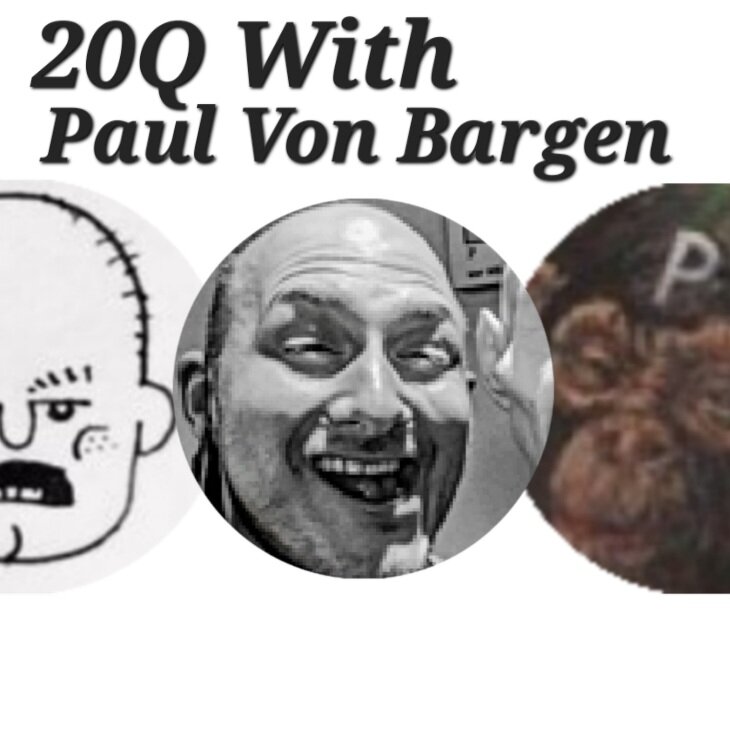
20Q with Paul Von Bargen

Welcome to today’s interview with Paul Von Bargen, one of the most talented and creative 3D miniature sculptors in my opinion in the alternative heresy community. I have been following Paul’s work on Instagram for a while now and have always been in awe of his incredible attention to detail and ability to bring his vision to life through his sculpts. Not only as a huge fan of Paul’s work and a grateful Licensed seller of his amazingwork, I am thrilled to have this opportunity to chat with him and learn more about his inspiration, creative process, and experiences in modelling. So without further ado, let’s jump right into the interview and discover what makes Paul one of the greatest 3D miniature sculptors of our time.

Can you tell us a little about yourself and your background in art and modeling?

I graduated in 2007 from the University of Art and Design in Offenbach am Main with a degree in illustration. Before that i was studying classic painting for two semesters.

Since then i have been working as a freelance illustrator, graphic designer and since 2010, art director then senior art director in a web development company where i am responsible for the UX/UI & art direction of customer web-based projects as well as smaller motion graphic projects. Privately i am of course sketching and drawing a lot (by hand on paper). Apart from one course in Maya in 2003 i never worked in 3d programs but did a lot of physical modeling and sculpting with different putties, clays, etc. During the first pandemic, my wife bought me a 3d printer as a birthday present and soon i started to learn Blender in order to alter existing models but found it so much fun, that i kept on learning until i was doing my own models.

How would you describe your artistic style?

I wouldn´t say that i am that expierienced to already having established a real style in 3D modeling i fear.

What inspired you to pursue 3D modeling?

I started out wanting to edit existing 3D models for my own hobby printing but soon had so much fun learning Blender and seeing the results that i kept going.

What software do you use to create your 3D models?

Blender

How do you come up with ideas for your 3D designs?

I am always inspired by the huge community of hobbyist around the web. My mind is constantly working on new ideas wich mostly never come to pass i fear. Hobby books always make my go wild with plans for myself but, as i said, i sketch out a lot but can´t find teh time to build them all.

Can you walk us through your typical design process?

Lots of sketching on paper, looking  up reference material, more sketching…

Then it is nothing special, blocking out a first bulk, test-printing, detailing, test-printing, finetuning.

How long does it typically take you to create a 3D model?

Between half a day and three weeks…:)

How do you stay current with new technologies and techniques in 3D modeling?

I don´t…this is a big hobby for me so i am very niched in my works and just try to learn still. At times i discover new stuff through some youtube-channels wich i follow and try them out but most stuff is far beyond my understanding (yet).

Can you describe a particularly challenging project you’ve worked on and how you overcame any obstacles?

I had a hard time getting into sculpting thus limiting myself alot, but i tricked myself with just playing with the surface for a pure fun fun doesn´t need to be good project. There i learned enough to be confident and actually start larning that seriously.

What do you think sets your 3D modeling apart from others in the field?

Nothing technically really, i think i just have a godd feeling for proportions and moods, probably due to my long expierience as a designer…

How do you handle feedback and revisions on your designs?

Not being a real professional, i don´t have direct client feedback, only comments from users.

Those i try to think about very openly. If they find real errors i fix them, if they suggest changes i at least think about it.

Can you talk about a project you’re particularly proud of and why?

Stated above, i was playing around with sculpting in Blender and am very proud of a Cthuluesque statue i sculpted for personal use. It just makes me proud because i learned so much and really found the pure fun of the medium with it after many points where i just wanted to delete all the crap i made…

What do you see as the biggest challenges facing 3D modeling in the future?

Not professional enough to answer that question with any degree of credibillity.

Can you tell us about a project you’ve worked on that required a high level of attention to detail?

Indeed. Last summer i did a large one (for me) the chubbafragger terminator armor, wich i just happened and i was quickly overwhelmed by the amount of stuff i had to consider in order to make it work both as a model when putting together and still looking good as well as giving people a wide range of building options. I never did so many test-prints before just to make a single tiny part fit.

How do you use social media like Instagram to promote your 3D modeling work?

Very basic. I use Instagram and facebook groups to tell followers about new stuff i did.

How do you decide which projects to take on?

As i don´t do commissions i only work on stuff i find fun and only when i find the time next to work and family life.

What advice would you give to someone starting out in 3D modeling?

Start small, use Youtube – there are countless free programms and tutorials. look for solutions to every problem there will be people explaining stuff and you will learn from project to project. Don´t be overwhelmed by the immense range of 3D possibillities, just start out in ony corner and expand to where you are working.

How do you approach creating realistic or lifelike models?

Use a lot of reference and sketch that stuff out from real life. Never hesitate using existing models from cgitrader and such. Both as a reference and starting point.

Can you talk about a project you’ve worked on that required collaboration with other designers or professionals?

Haven´t done any yet.

How do you continue to learn and grow as a 3D modeler?

I just keep on discovering results i want to get and try to learn how to get there specifically (and as fast and smart as possible). I try not to shy away from challenges but chopped down into small pieces. Just keep being interested and enthusiastic about other peoples work and not be intimidated by quality but inspired.

Id like to thank Paul so much for taking the time to speak with us and share his incredible talent and expertise into his 3D miniature designs. It’s been a true pleasure to learn about your process and the amazing work you do. Your attention to detail and passion for design are truly inspiring. I’m sure our readers will enjoy learning more about your background and your incredible creations.

I would like to express my gratitude for this opportunity and I will definitely reach out again in the future to learn more about your process and how you got started in the world of illustration. Your passion and creativity continue to amaze us, and I can’t wait to see what you come up with next. Thank you again for your time and insight!”

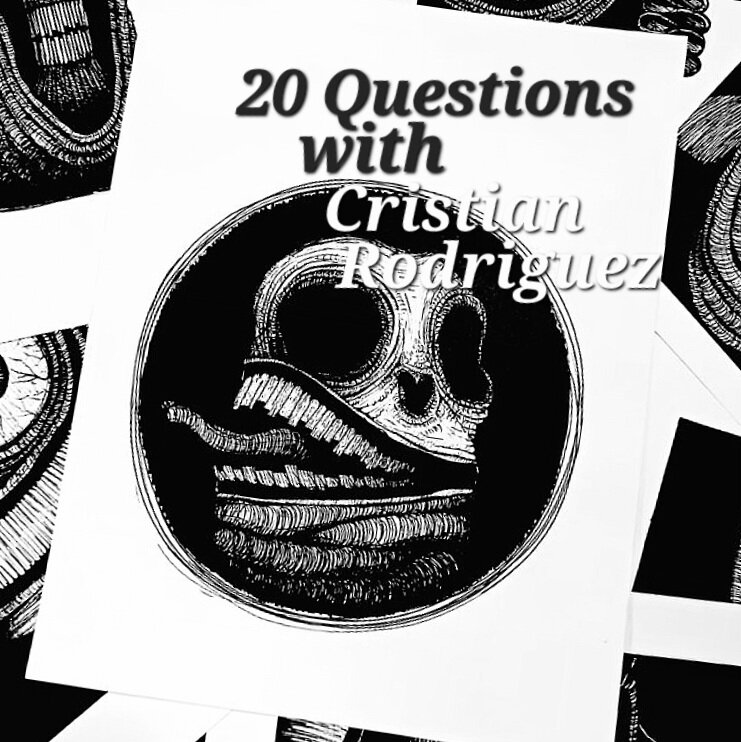
20Q with Cristian Rodriguez

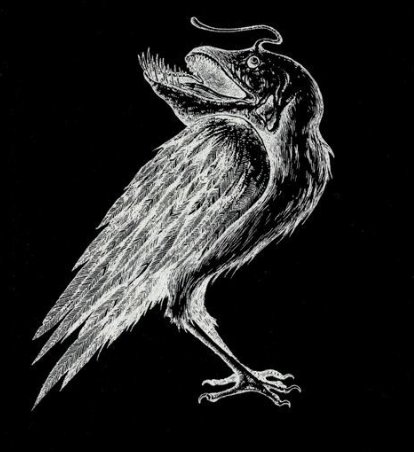
I reached out to the fantastic multi talented illustrator Cristian Rodriguez or Rod Art who i was told about through a referral from a friend who was impressed by their work in predominantly black inks. I’ve been following him for a few months myself now. After browsing his portfolio online, I was really struck by the emotion and nuance conveyed through his use of fine and bold black lines. As i did with Moritz i reached out via Instagram to inquire about their availability for a short interview, expressing my admiration for his style and use the answers for my own specific project im doing on the blog. Cristian was receptive and more than happy to take time for my own endeavour and help give insight into a working artist.

Can you tell us a little about yourself and your background in art?

Art has been part of my life since I can remember, at first I didn’t see it as anything special, until I realized that it was the best way I had to communicate and show who I really am. I am a graduate of the arts academy in Cuba, and despite my youth, my goal is to be able to live from what I am really passionate about.

How would you describe your artistic style?

My art on instagram is just entertainment, I don’t consider it my style or the greatest artistic weight in my overall work. Being academic, academic drawing, and painting predominately, but the main thing is the idea, the concept. All my most ambitious projects have the greatest conceptual strength.

Can you walk us through your creative process?

The process is simpler than it seems. Everything is based on moods and motivations.

What inspires you to create the art that you do?

The drawings that you can appreciate through my account are the result of a stage in which I only needed to drop the pen, for a moment to find myself through drawing.

How long have you been active on Instagram as an artist?

I’ve been on instagram for a few years, but I started using it to publish my work and show my art a few months ago through the recommendation of some friends.

Can you tell us about your most popular or well-received piece of work on Instagram?

I consider my greatest achievement to be my thesis, which is as yet not published, of the drawings that appear on my account, everything is generally well accepted, the average number of likes surprises me with respect to the number of followers, but the numbers are not something that worries me, my only goal is to share my art with the rest, no matter how many there are.

Have you had any formal art education, or are you self-taught?

As I said before, I graduated as a plastic artist at the Academy of the Art’s in Cuba in 2019.

How do you handle creative blocks or artist’s block?

Creative blocks are something normal that we should not fear, sometimes I just scratch a blank sheet without thinking about anything until something comes up, but don’t force it. Something very important is to consume a lot of visual information, it doesn’t matter if it’s art or not.

Have you ever had any exhibits or shows of your work?

Yes, since I was a student I have been building a fairly broad portfolio for my age, which I hope to continue expanding in later years.

Can you tell us about a specific project or commission you have worked on that you are particularly proud of?

I recently collaborated with a friend’s magazine which is about to come out, illustrating one of its sections with my doodles. When I publish I do not do it with the intention of selling though, if someone is interested, the price is agreed personally, according to the design and work done, etc.

Can you share with us some of your favourite artists or art movements that have influenced your work?

Well, my reference since I was a student was always Van Gogh, now for these recent drawings, I have relied on several Instagram artists, including some of my classmates, the reference can come from a word to a line.

How do you handle negative feedback or criticism of your work?

The truth is that I have been lucky not to come across many negative comments since I published my drawings, but perhaps coming from studies with very demanding professors, all criticism brings out the positive, and if it is with the aim of simply destroying the obvious. I simply try to be faithful to the idea and the routine that I have created in the profile, in addition to interacting with other accounts.

How do you stay current and informed about new developments in the art world?

I usually consume a lot of art, but I’m not the closest person to that world either, I simply try to keep up to date with what is most associated with my work.

Can you tell us about any upcoming projects or pieces you are working on?

For now, I don’t have any project close to being carried out beyond that magazine I told you about earlier.

Have you received any recognition or awards for your work?

I have some recognitions in salons held in my country, but nothing special, the real prize is that your art is fairly broad.

And closing of how do you use Instagram to promote and share your art and and do you have any advice for aspiring artists on Instagram?

My advice is not to make content with the aim of growing online, the important thing is to make a quality product that fills you personally, if the pieces are of quality, it is not necessary to please anyone, they alone they will achieve growth.

20Q With Moritz Krebs

I approached Moritz with a sense of awe and admiration for their work as I’ve been following them for quite some time. In this new segment in the blog I will try to carefully craft a list of 20 thoughtful and engaging questions that delve into their creative process, inspirations, and experiences. I reached out to Moritz through their Instagram as a means of communication and was thrilled when they agreed to take part in the interview. I felt incredibly honored to have the opportunity to exchange with them and gain insight into their artistic vision.

Can you tell us a little about yourself and your background in art?

I am an illustrator from Germany. My art is mostly inspired by fairy tales, folklore and dark fantasy in general.

How would you describe your artistic style?

I am a traditional artist and my art is mostly done in inks. While I started to work with acrylic paints I mostly draw in black and white. Stylewise I am inspired by renaissance artists and their drawings and engraving techniques.

Can you walk us through your creative process?

Process wise its pretty simple… I am constantly sketching in my sketchbook (remember take it everywhere with you…you never know). Once I select a sketch, I redraw it with pencil on some fitting paper (I love to use Bütten or some other thick paper) and ink it with bölack ink. I use a fountain pen or a traditional dip pen for my more elaborate stuff. And an inkpen for the faster. more sketchy stuff.

What inspires you to create the art that you do?

Creation wise it’s not that easy to explain…inspiration is most important and everywhere. There are often longer thought processes involved followed by a creative outburst.

How long have you been active on Instagram as an artist?

Hmm…I think since 2017 (?)… But initially it was just for personal art stuff. Just random art without any intention on doing it professionally.

Can you tell us about your most popular or well-received piece of work on Instagram?

Hmh… that’s something very revealing…my most liked piece until a year ago was a five minute very random sketch…it just triggered the algorithm in the right way. No clue why. Now my most popular drawing is an adaption of the wickerman figure. Again I used the right hashtags, as it seems..so that (likes) really has nothing to do with the quality of the art. It can be rather frustrating.

Have you had any formal art education or are you self-taught?

I am mostly self taught. But I am from a creative family and both my parents made art for a living and are still creating art in that space. So they surely taught me a lot. Otherwise I attended some courses but that was more for fun and drawing in company. While I was always doing creative stuff I really got into drawing again six, seven years ago. 

Have you ever had any exhibits or shows of your work?

Some local group shows. Nothing more so far, but something I will be looking into in the future.

Can you tell us about a specific project or commission you have worked on that you are particularly proud of?

I finished my first bigger project last year. A collaboration with the Italian publisher hollow press who made a tabletop game: “Boneforest”. I was the sole Illustrator and the whole game pushed me immensely in every aspect. But I also made some illustrations for the magazine “Fiddlers Green”, and I am very proud to be part of a magazine that holds the tradition of illustrating in such high regard.

How do you handle negative feedback or criticism of your work?

Sounds strange…but there hasn’t been any so far. So that’s an experience I still have to do and probably will sooner or later. We’ll see how I will handle it, I guess it really depends on the kind of critique you receive.

How do you use Instagram to promote and share your art?

I just post my stuff and make sure to interact with the community as much as I possibly can. To be honest, I am not the best at the social media game…I probably have to improve that as it seems to be increasingly more necessary.

Have you ever collaborated with other artists on Instagram or in person?

I have a frequent collaboration with a miniature sculpture (Meridian Miniatures). Together we work regularly on a range of miniatures based on my concepts.

How do you stay current and informed about new developments in the art world?

Mostly through rumours in the community, I have to admit.

Do you have any upcoming shows or exhibitions that you would like to promote?

Nothing planned as of yet.

Have you received any recognition or awards for your work?

Not in the last 15 years, apart from nice words from those in the community. But I guess you can say the fact that I am able to work as an illustrator and that people are willing to trust in me and spend money on my work as the best kind of recognition, right?

Can you tell us about any upcoming projects or pieces you are working on?

I work on different things all at one time. Some personal stuff, some smaller commissions and a bigger one.It’s an upcoming RPG but I won’t go in to any massive details here.

How do you handle pricing and selling your art on Instagram?

For selling stuff on instagram….I don’t have a shop at this moment as I am mostly working with commissions at the moment, but otherwise I would recommend setting up a shop. Just selling stuff over instagram though can be chaotic. In any case, sort out the legal stuff first… as it can be overwhelming sometimes…

Can you share with us some of your favorite artists or art movements that have influenced your work?

Of course my biggest influence are the artist of the Renaissance like Dürer, Cranach, Bosch and Breugel. But also contemporary artists like John Blanche, Chris Riddel, Edward Gorey and many more. I also have a soft spot for Art Nouveau illustrators like Beardsley, Clarke, Rackham, Poignany and again a lot of others.

And lastly do you have any advice for aspiring artists on Instagram?

It’s a cliche but don’t give up. Instagram is becoming increasingly frustrating for artists. But it’s still a good platform to present your work. Just make sure not to create solely for the plattforms algorithms. Create for yourself and enjoy the process and if that’s done you can enjoy posting it, but you don’t have to get your creativity killed by the pressure.

Again a massive thank you to Moritz for taking the time to answer my ahort interview questions. It was a pleasure to learn more about the man behind the art and your creative process. I know that you will continue to inspire and delight audiences with your amazing work for many years to come.

And thank you for reading my first instalment in 20Q.

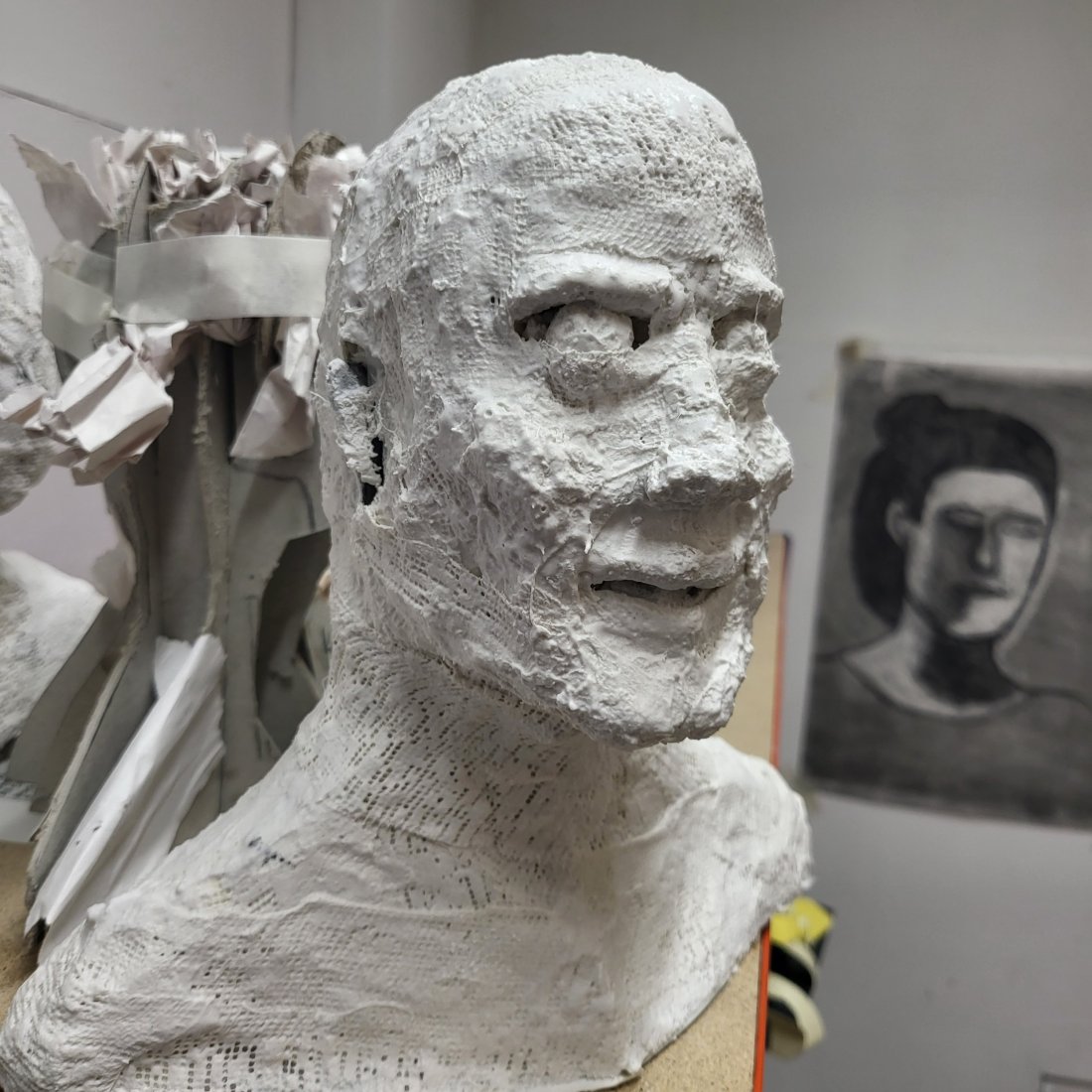
Making a bust.

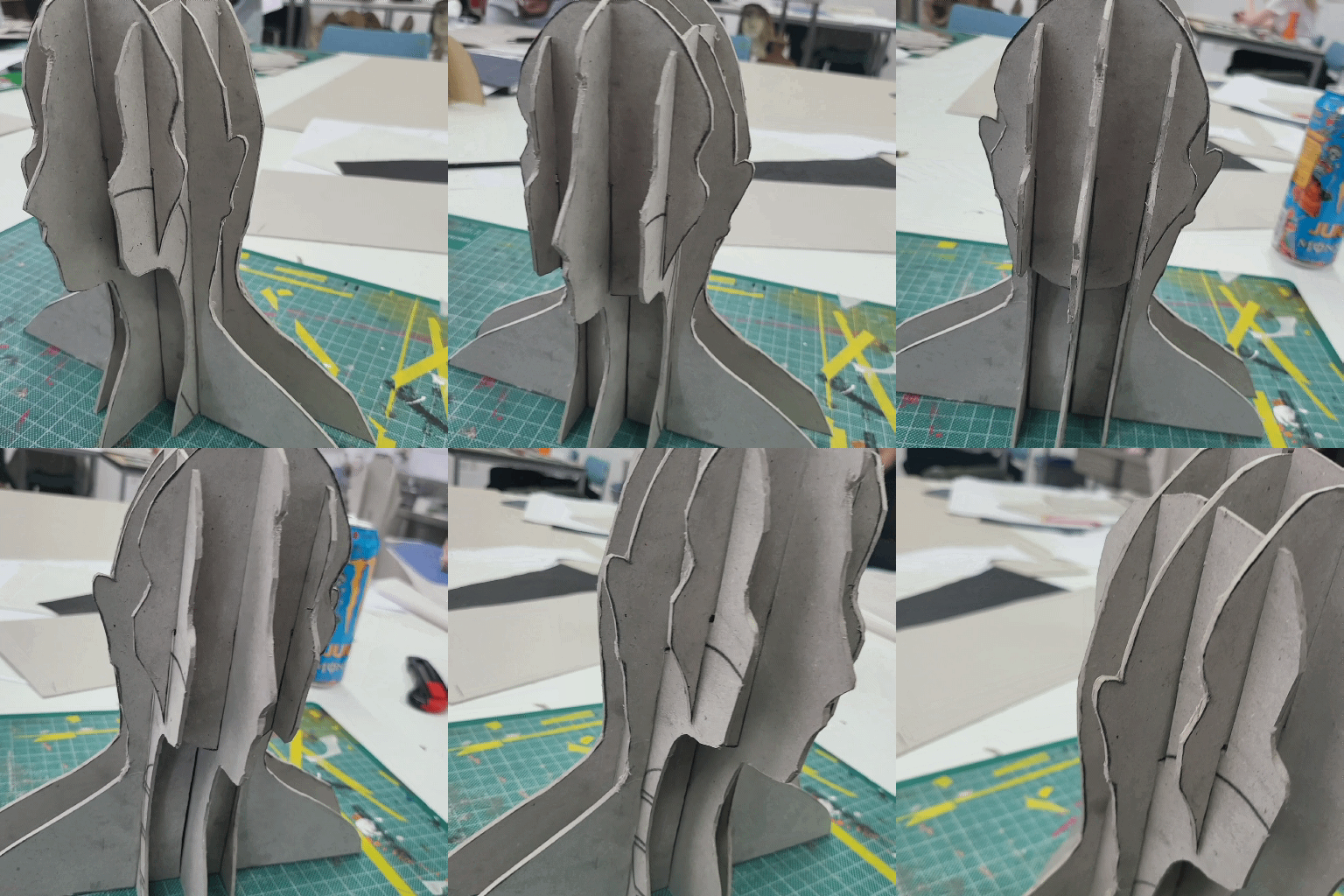
Building a cardboard armature for a bust is a great way to get started with sculpting. Not only is it a relatively inexpensive way to create a base for your sculpture, but it also allows you to easily experiment with different poses and designs. In this post I will walk you through the process of building a cardboard armature for a bust from scratch just like I have at college, using materials that are easy to find at any art or supply shop.

The first step in building a cardboard armature is to gather your materials. You will need a large piece of cardboard, a few pieces of newspaper, Elmer’s glue, and a pair of scissors. You can also use a utility knife or box cutter if you prefer, but scissors will work just fine.

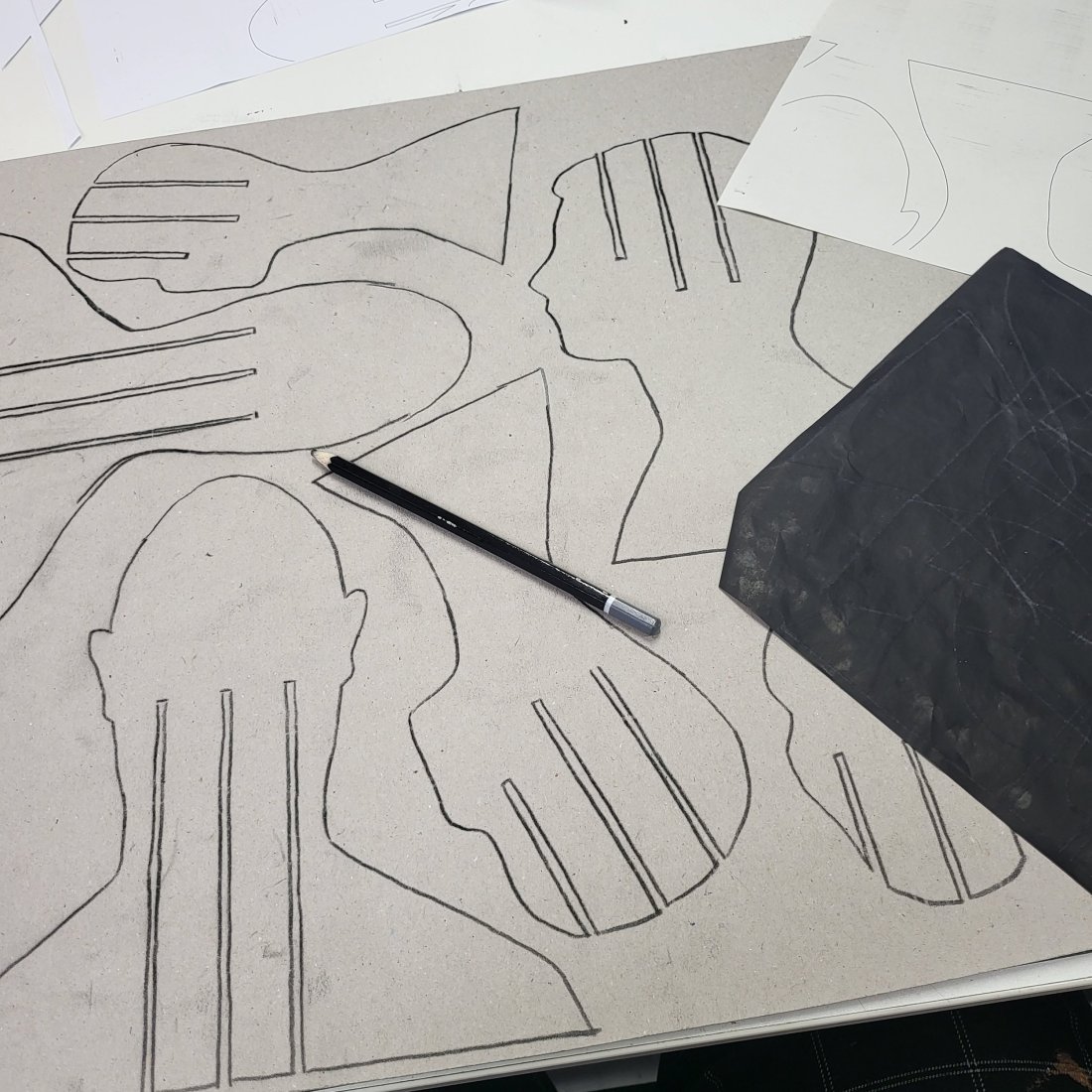
Next, use the scissors to cut out a basic shape for your armature or you can make a template like I have. This can be a simple rectangle or a more complex shape, depending on the design of your sculpture. You can even use pictures or drawings of the person you are sculpting as a guide. Once you have your basic shape, use the scissors to cut the template.

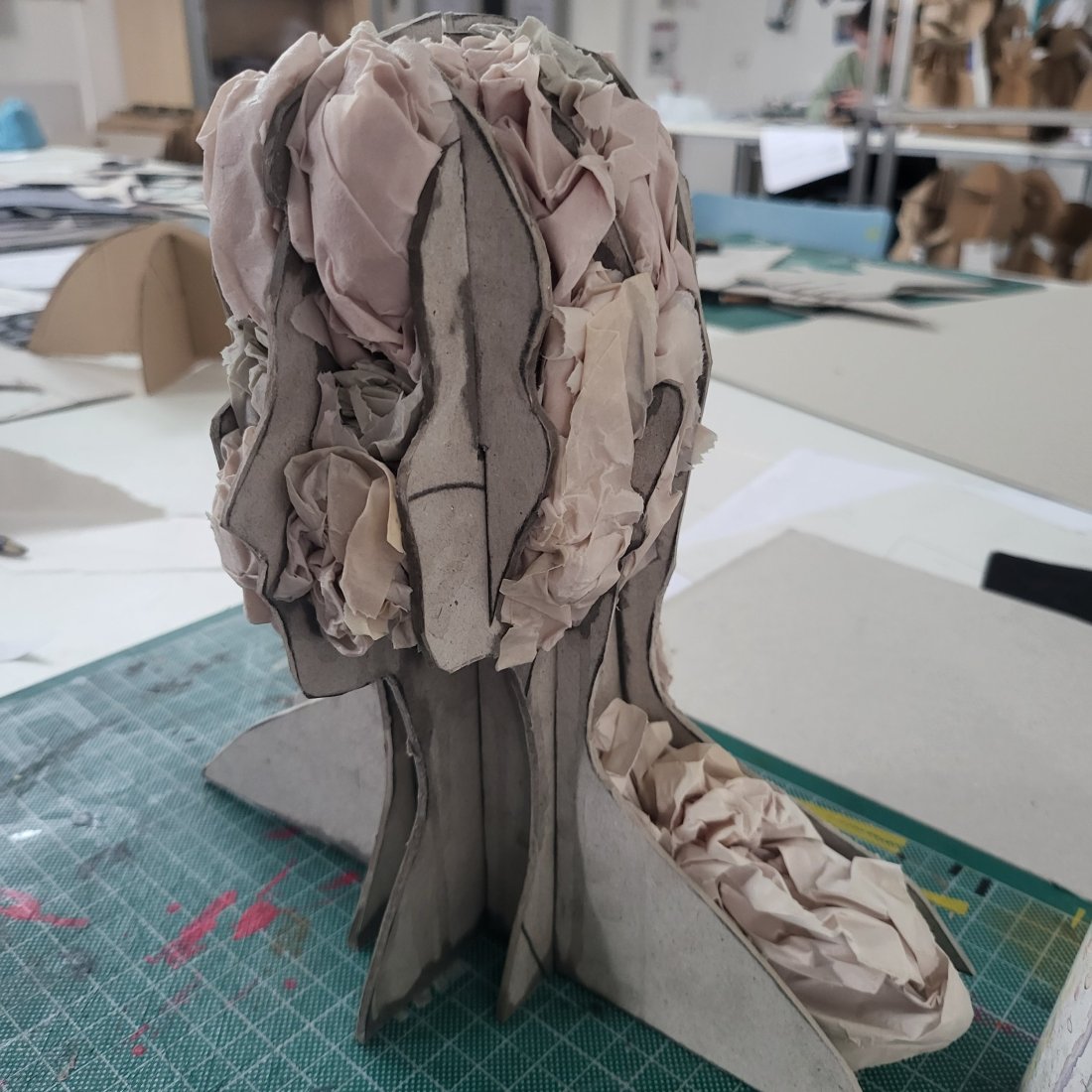
Next, take your newspaper and tear it into small pieces like I have. You can use your fingers to do this, or you can use a paper shredder if you have one available. Once you have a good amount of torn newspaper, start filling in the empty spaces of your armature. Use the Elmer’s glue to hold the newspaper in place or as I have dipped mine into watered down Elmer’s glue to help it be more maluable, making sure to press it firmly against the cardboard. You can use your fingers or a tool like a popsicle stick to smooth out the newspaper and make sure it adheres well to the cardboard.

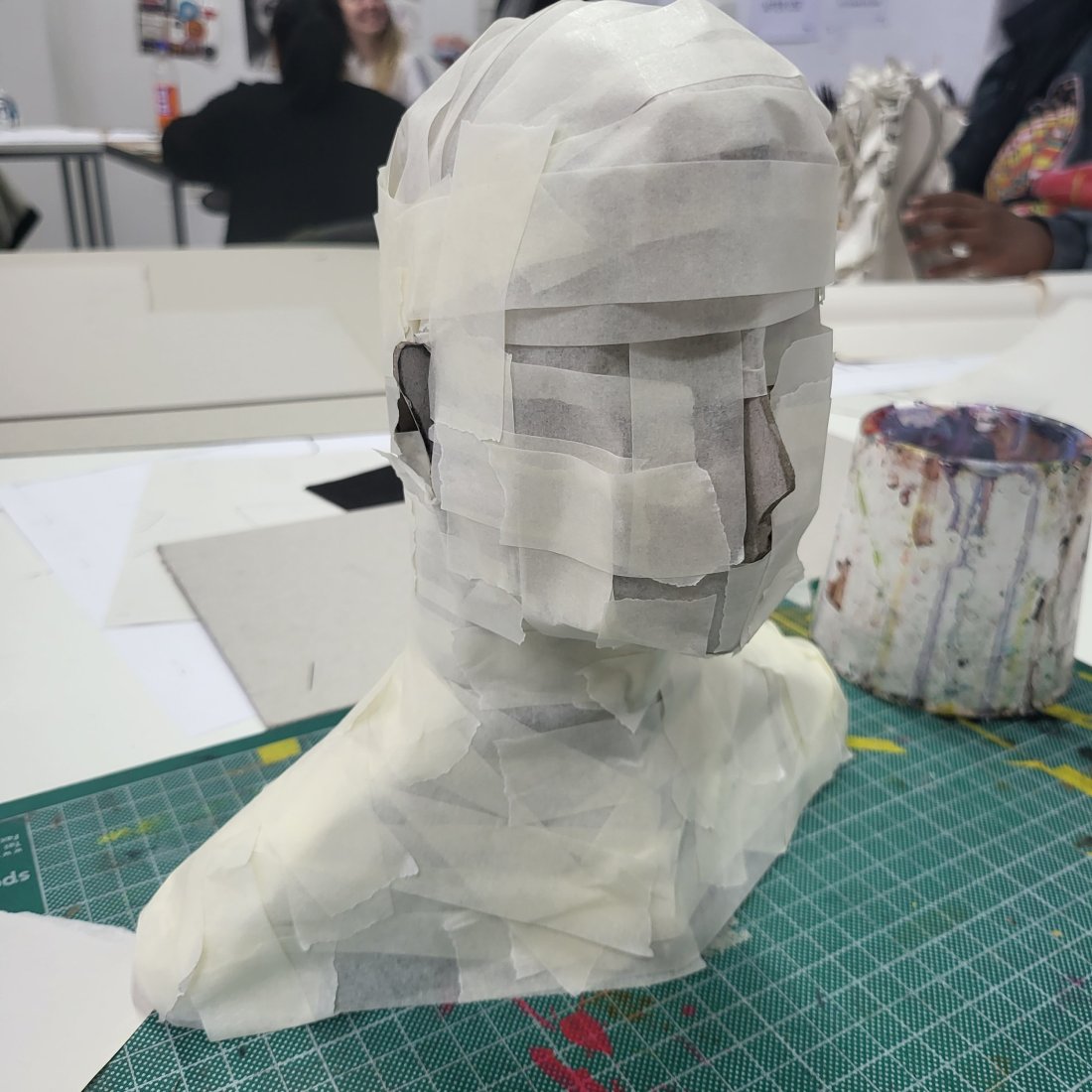
As you fill in the empty spaces, take care to shape the newspaper to the proportions you want. When you are satisfied with the shape, let the armature dry overnight or if you are enjoying the process like me then keep going and as you can see I then taped over my armature in masking tape to best see the different planes of the bust. Once dry, you can add better detailing.

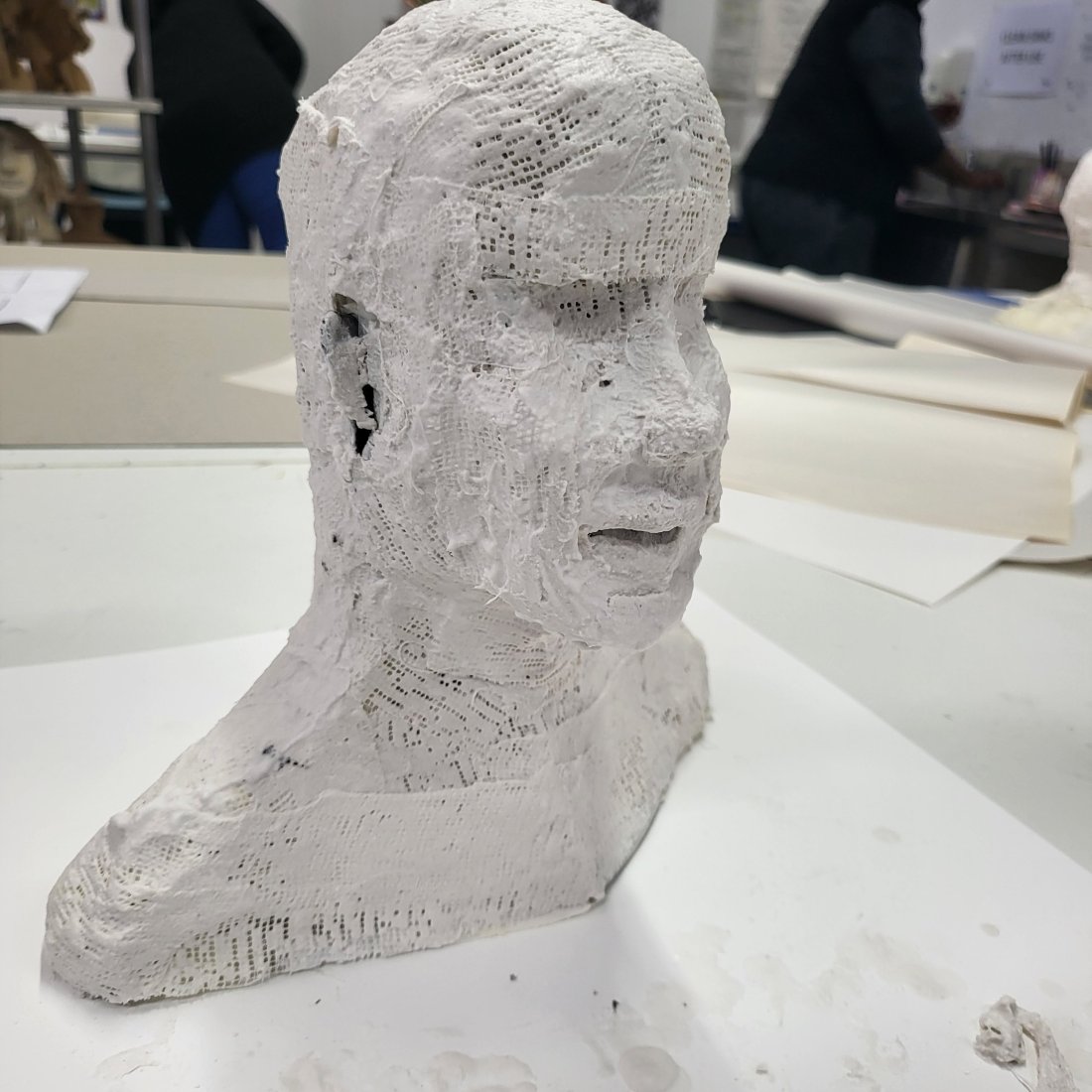
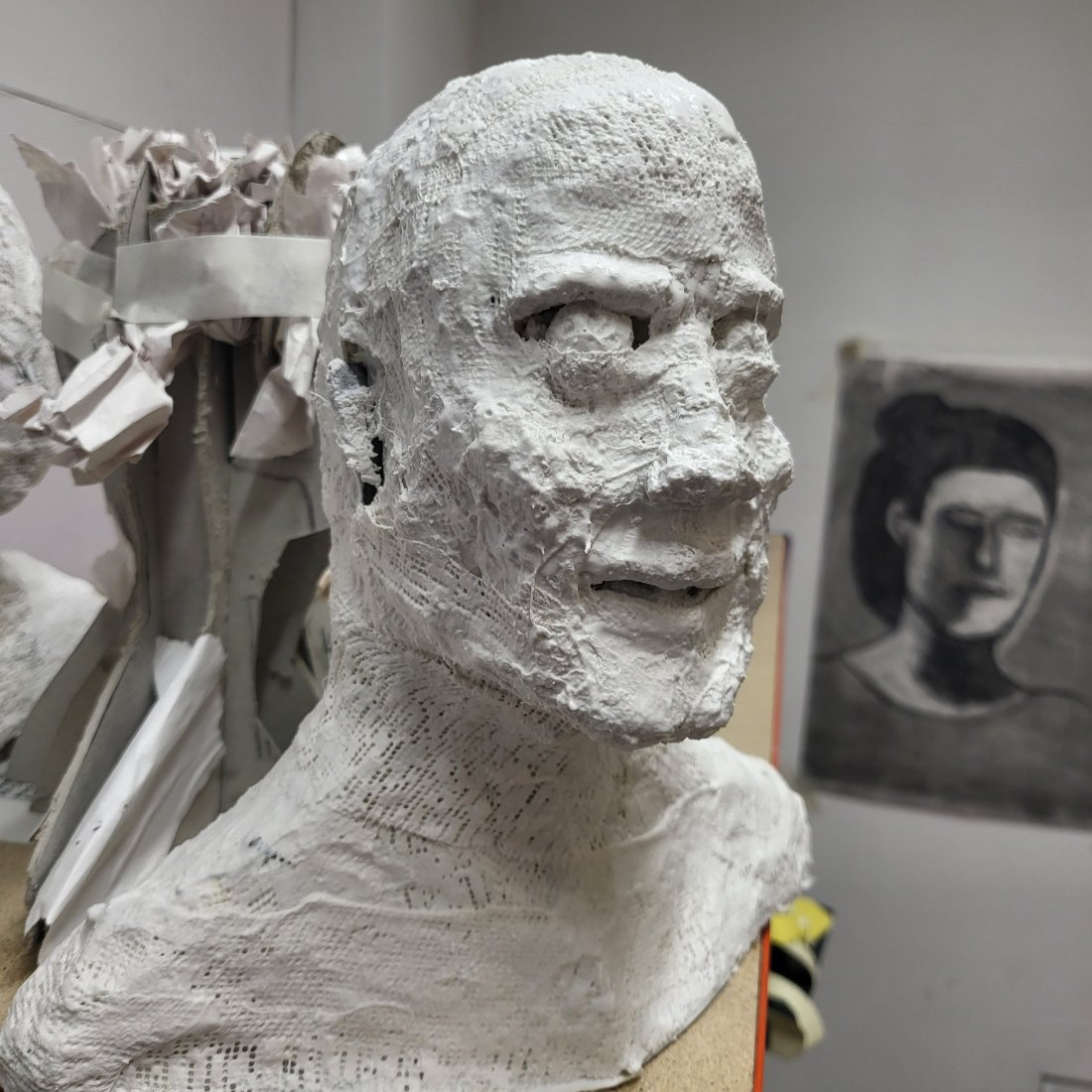
The fun part is to begin to add clay, plaster or as I will mod rock to bulk the empty space. This is where you can let your creativity run wild and sculpt the bust to your desired shape.

Happy modeling and hope you enjoy my basic take on bust making.

SKY-NET Art industries.

As an art student, the prospect of AI-generated art is both exciting and concerning. On one hand, the ability for computers to create unique and intricate pieces of art has the potential to revolutionize the art industry and open up new opportunities for artists. However, there are also valid ethical concerns surrounding the use of AI in art, including the potential loss of jobs for human artists and the copyright of the data it learns upon and the question of whether AI-generated art can truly be considered “art.”

One of the major pros of AI-generated art is that it has the potential to break down traditional barriers in the art world. Artistic talent is often closely tied to access and resources, with artists who come from privileged backgrounds predominantly in the west having a significant advantage. AI, on the other hand, is not bound by these limitations and can create art that some creators say is on par with that of human artists. This could lead to a more diverse and inclusive art industry, as AI could potentially give artists from underrepresented communities around the world the opportunity to have their work seen and appreciated on a wider scale.

Another potential benefit of AI-generated art is that it could allow for the creation of pieces that can be impractical for some humans to create. For example, AI could be used to create intricate and highly detailed landscapes that would take a human artist hundreds of hours to complete. Similarly, AI could be used to create large-scale installations that would be very physically demanding for a human artist to create on their own.

However, there are also valid concerns about the ethical implications of AI-generated art. One major concern is the potential loss of jobs for human artists and how artist are to be paid for their art to be apart of the mass data collection. As AI becomes more advanced, it is possible that it could be used to create general art more efficiently and cheaply than human artists, potentially leading to job loss and displacement in the design area. This could have significant consequences for the art industry, as artists are often reliant on their art for their livelihood.

Another ethical concern surrounding AI-generated art is the question of whether it can truly be considered “art.” Some argue that art should be created by humans and that AI-generated art lacks the emotion and creativity that is inherent in human-created art. This raises questions about the value and authenticity of AI-generated art, as well as the role of the artist in the creative process.

There are also concerns about the potential for AI-generated art to perpetuate harmful biases and stereotypes. As AI is trained on large amounts of data, it can sometimes reflect the biases and prejudices present in that data. This could lead to AI-generated art that reinforces harmful stereotypes and perpetuates discrimination.

Overall, the pros and cons of AI-generated art are complex and is a hole one could did to the centre of the earth. While it has the potential to break down barriers and create unique and intricate pieces of art i as an art student must consider these issues and be mindful of the potential impacts of AI on the art industry.

To finish it is Like Any tool that an artist uses and must be treated as such.

Making Bob Ross proud

Today was a really eventful day as we finally began the process into painting.

As all modules start in class we began with the basics of colour theory and how each one best conveys various emotions and feelings.

I sped through the theory portion of the module as i couldn’t wait to just get started and get messy creating.

We where tasked with deciding on three pieces of work by various artists to explore how and why they have chosen to use the colours that they did and to then take inspiration from this and either re create their work or let those juicy creative minds go crazy

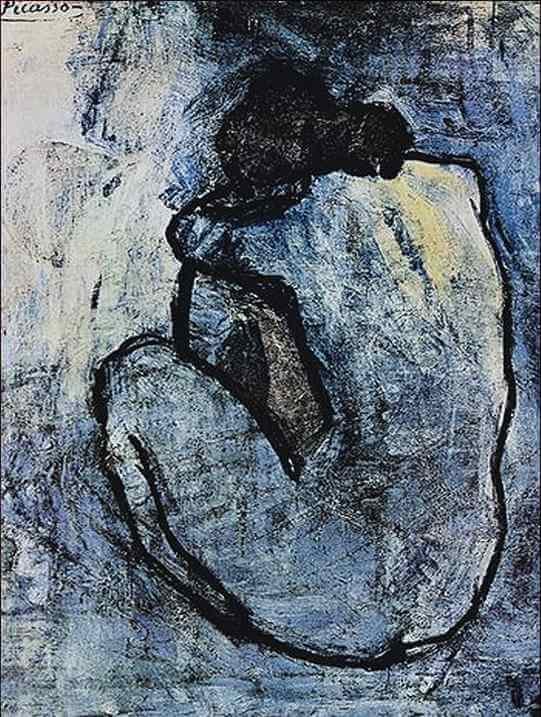
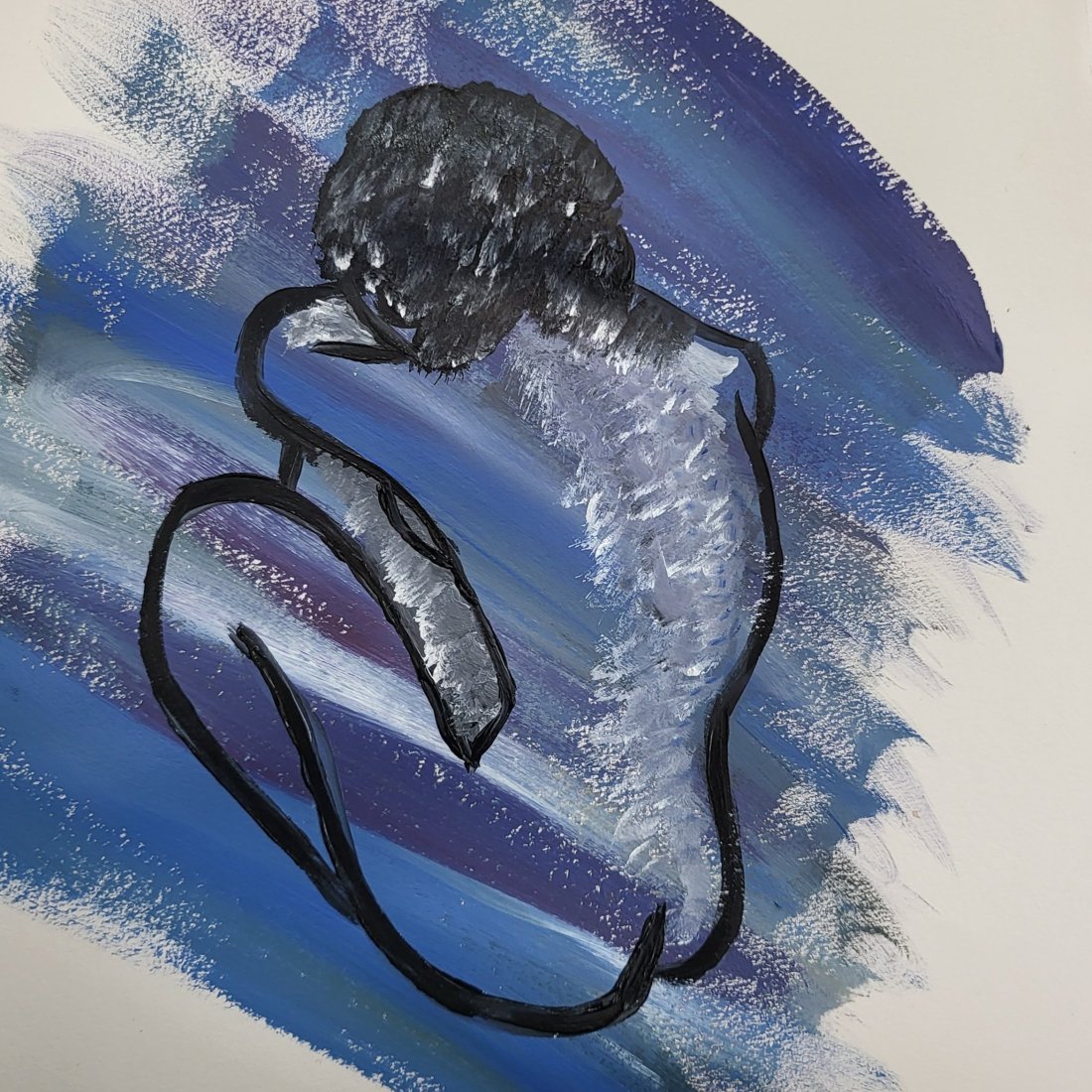
Above is “Blue nude” painted by picaso in 1902 and considered as one of his best works even at the start of his career. From the textured canvas to the simplistic but elegant line work of his models posture he didn’t hesitate to use the varying tones of blue to replicate the breakdown of sadness he was undergoing at the time of the tragic loss of a close friend. I like to think that the off white we see on the model is used to emphasise that his heart was so broken we can physically see his heart was shattered by this loss. Bellow is my humble attempt at replicating this piece.

In future i will definitely be adding acrylic gesso or commonlyknown texture paint to add an extra bit of oomph for the work to pop!

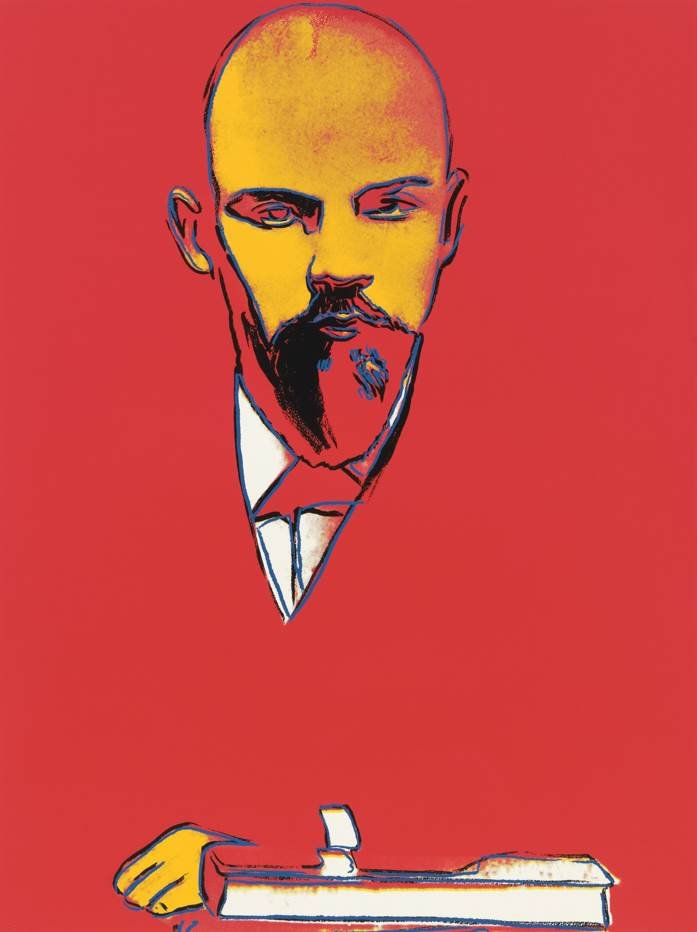
Next up i went with Warhols “Red Lenin” screen print completed in 1987 just months before before his untimely death due to medical complications. Like any warhol piece his choice of colour is precise and on point, that monochromatic deep red and black stare embodies the ruthlessness that lenin had to overthrow a monarchical regime and spread the red half way across the globe and im not talking about a rash here. I like to think that the red around him embodies the blood of all those lost in the struggle for and against marxism and as we see he is expertly posed resting on what appears to be a stack of two books being i think the basis for the splintering of marxism to leninism. to this day if you ask anyone what the colour red best represents you can bet communism is in the top 5 of the answers you will receive and the other version of “Black Lenin” has an even more eerily feel to it for those interested in viewing.

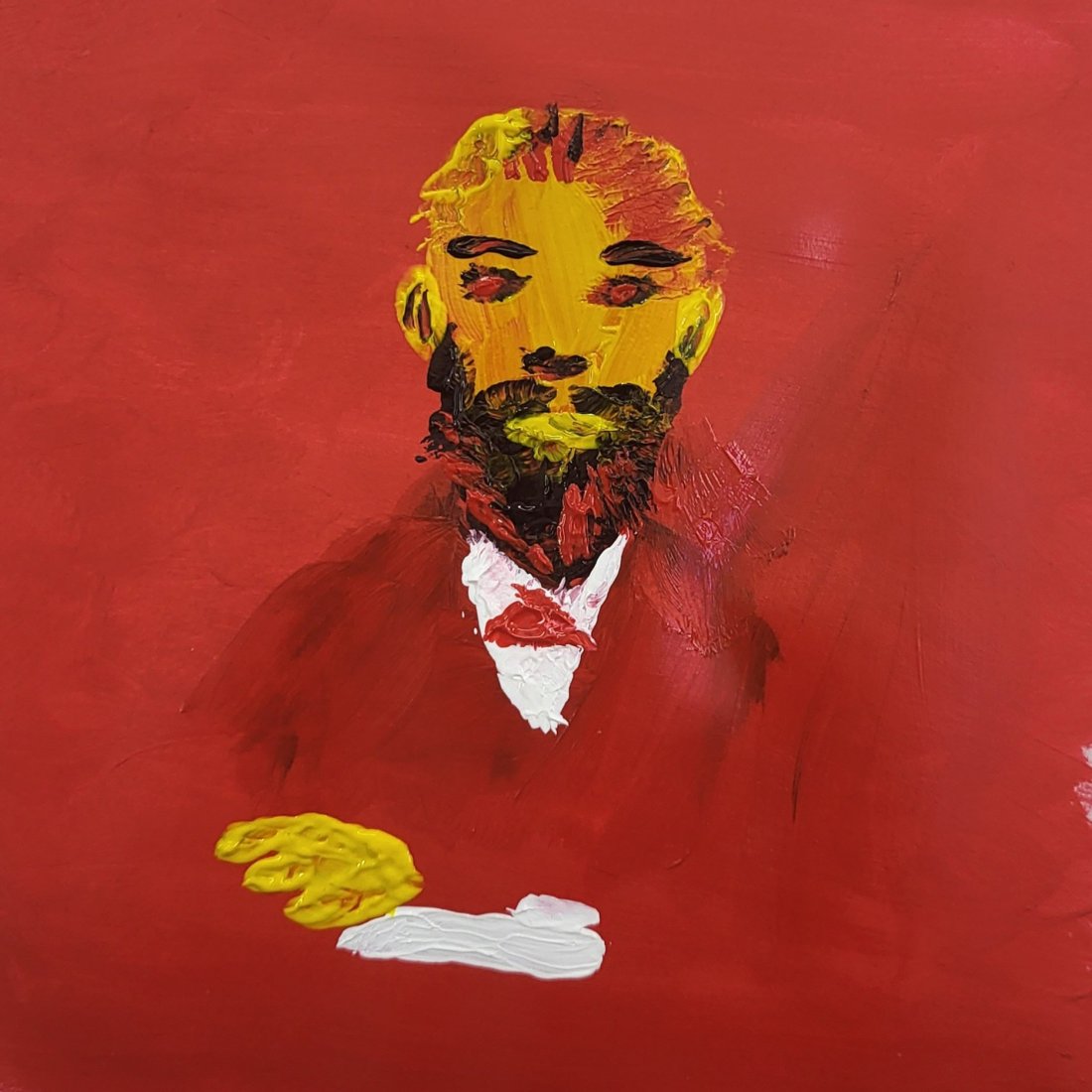
And above is my interpretation, painted with acrylic but after reading into warhols work style i feel like this is style is far more suited for lino printing, another project for another day possibly.

Now Onto the meat and potatoes, he’s the one the only mr.Grimdark himself John Blanche.

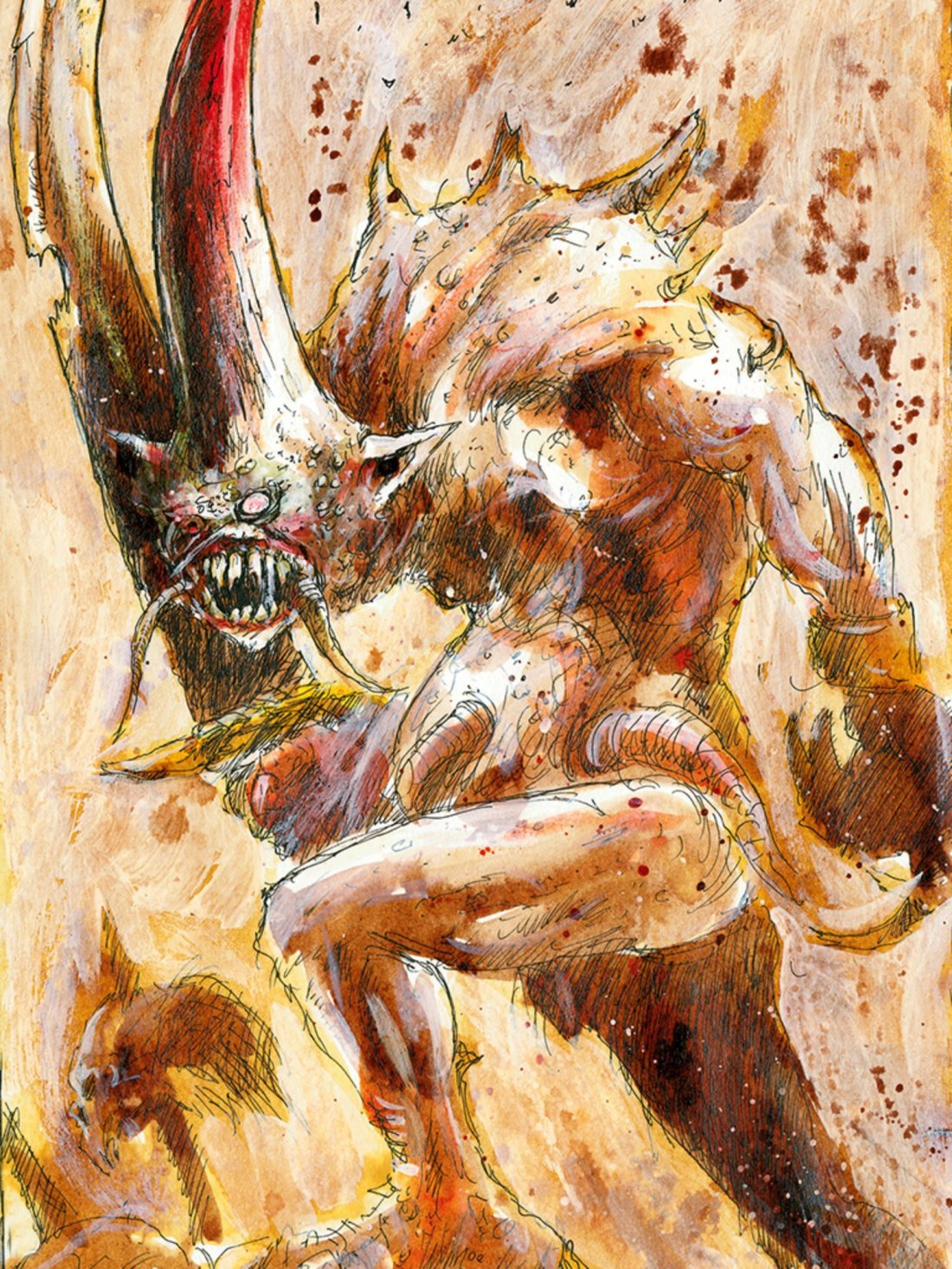
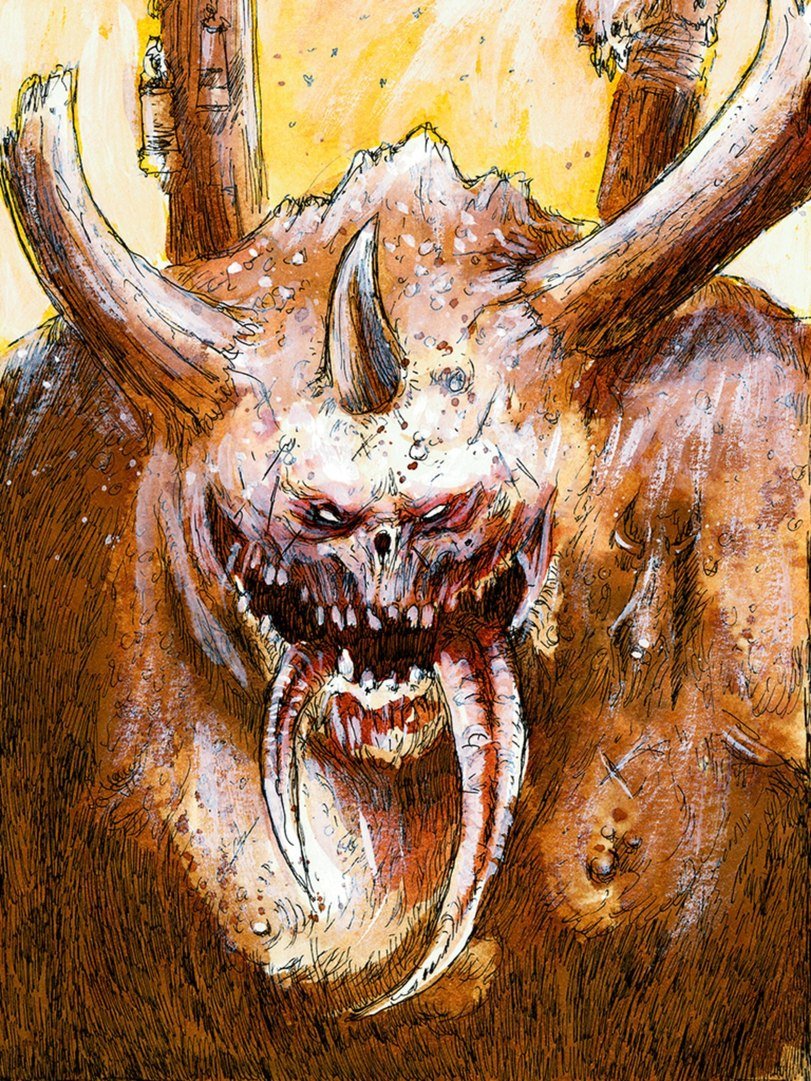
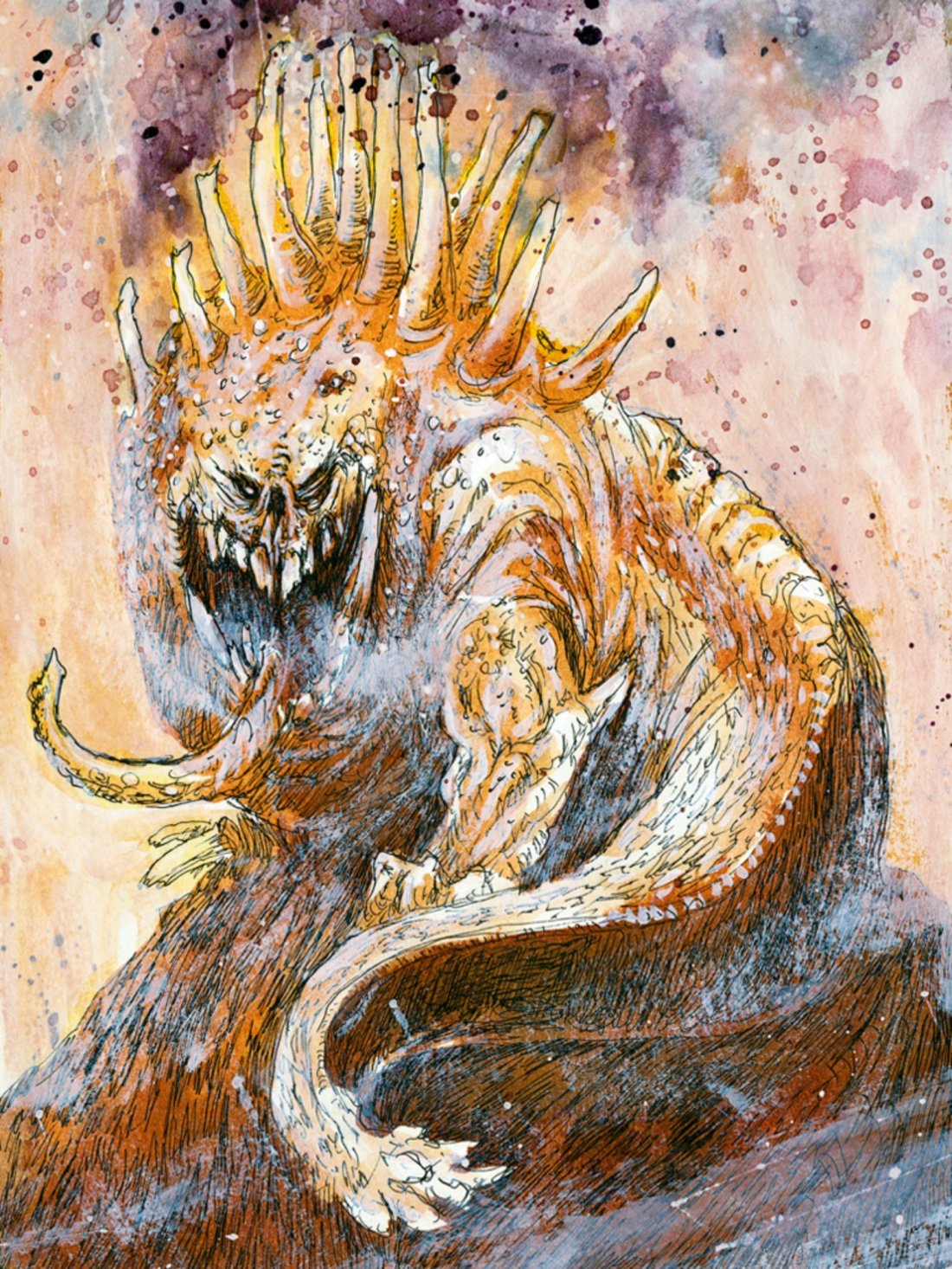
It was hard to choose a specific piece of blanches work so i was able to at least narrow it down to a small collection of works to derive inspiration from his nurgle work.

The contrasting bruised like orange and yellow tones ballance that paper white thin skin in these works you can almost feel the flesh fall off the bone, and the blended use of reds in specific areas add to the illustrated nature of horror Incarnate. The mix of various elements of media helps unify everything as a whole that each strengthens the others weakness.

There is something satisfying i get when i view his work that it doesn’t surprise me that he has heavily influenced a genre of other upcoming artists and has me returning to play games workshop games purely because i see models made purely from his conceptual ideas.

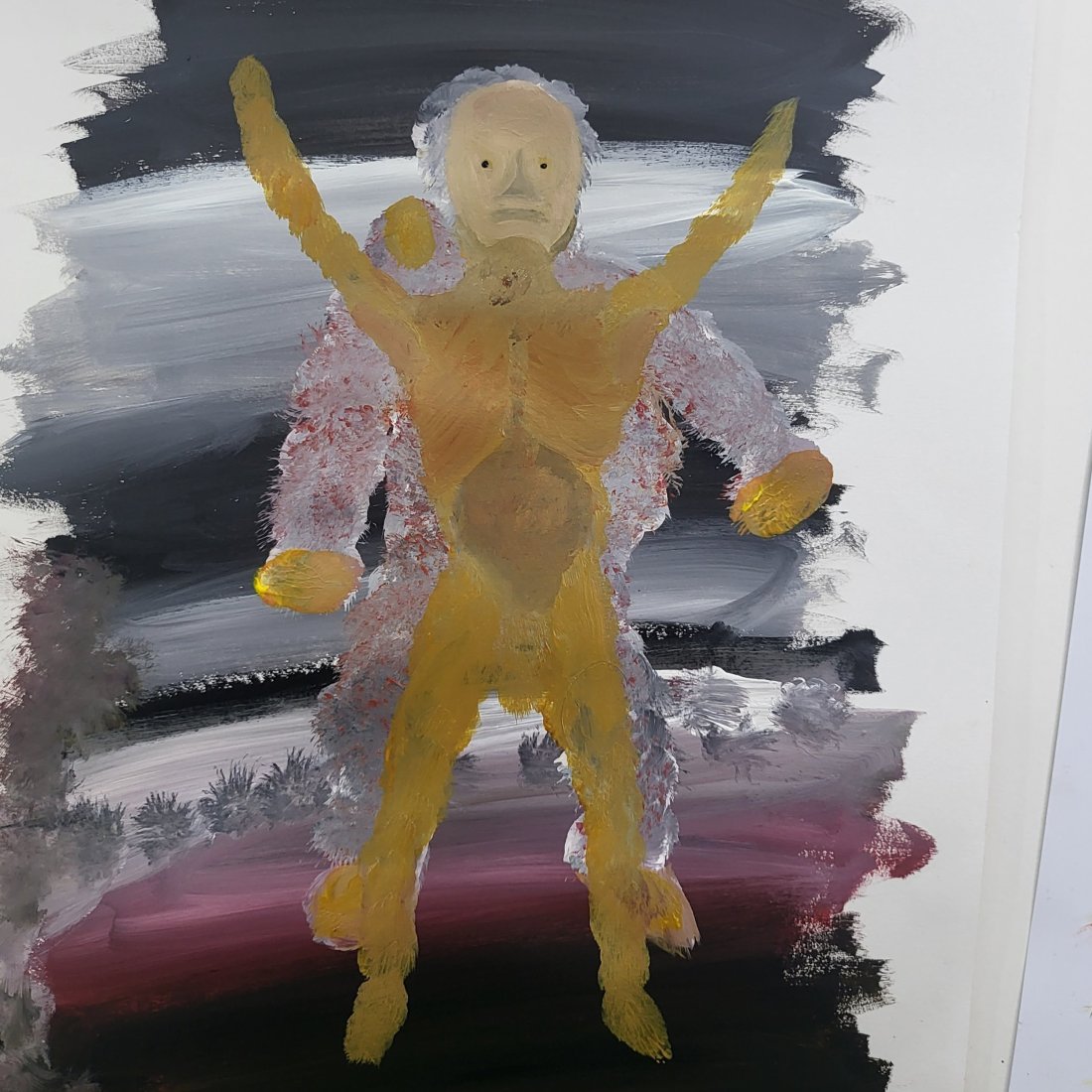
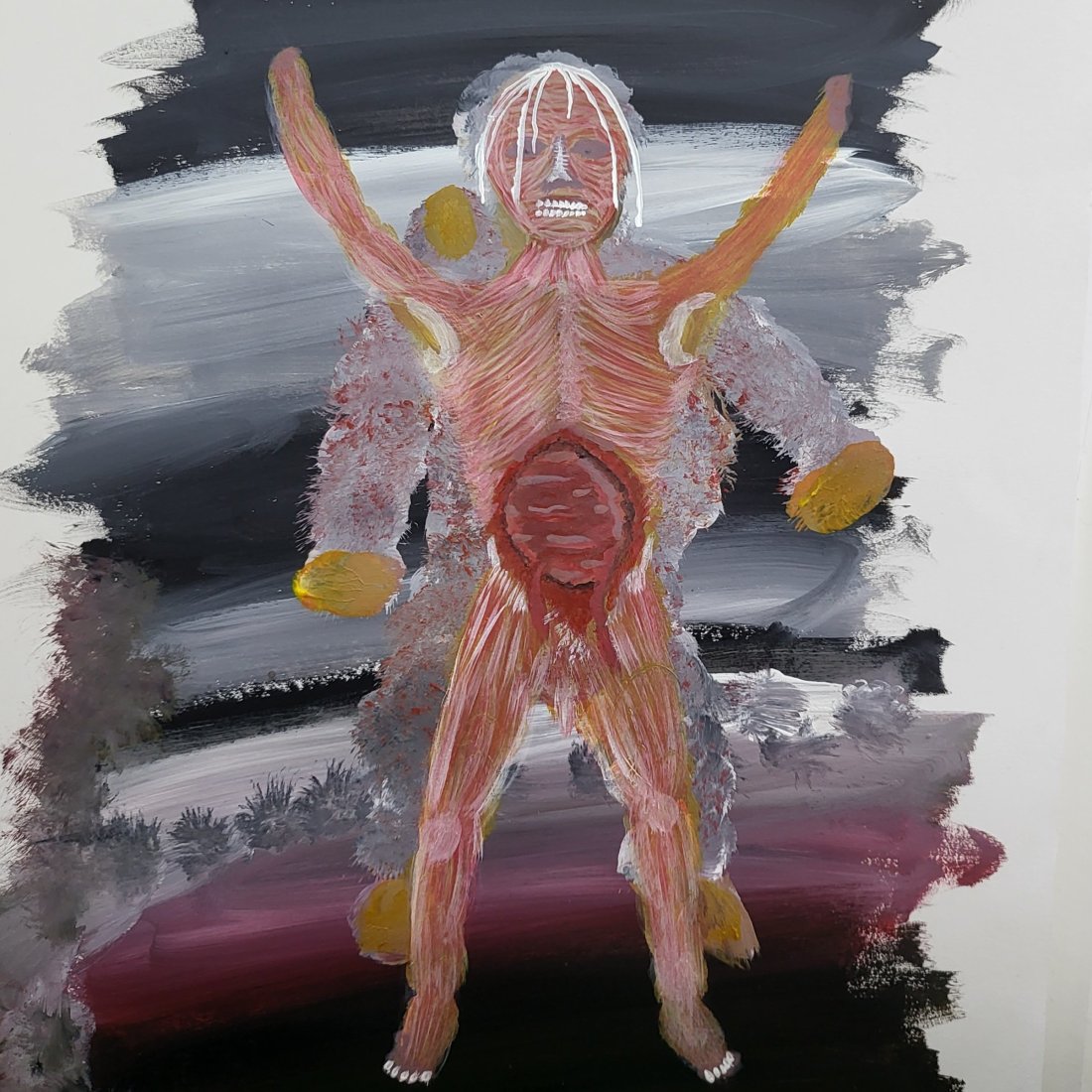
And using these works i took to my brush and used my inspiration to start blocking in shapes aimlessly if i am to be honest. initially trying to keep with those orange to yellow skin blends on a landscape similar to something lunarary monochromatic which soon escalated to a full on flayed man by adding flowing red, pink and highlited white lines to best resemble muscular tissue by the end of the painting process.

With this entry module to a close and finished before the end of the day i could help myself attempt something for just myself from the old grey matter itself.

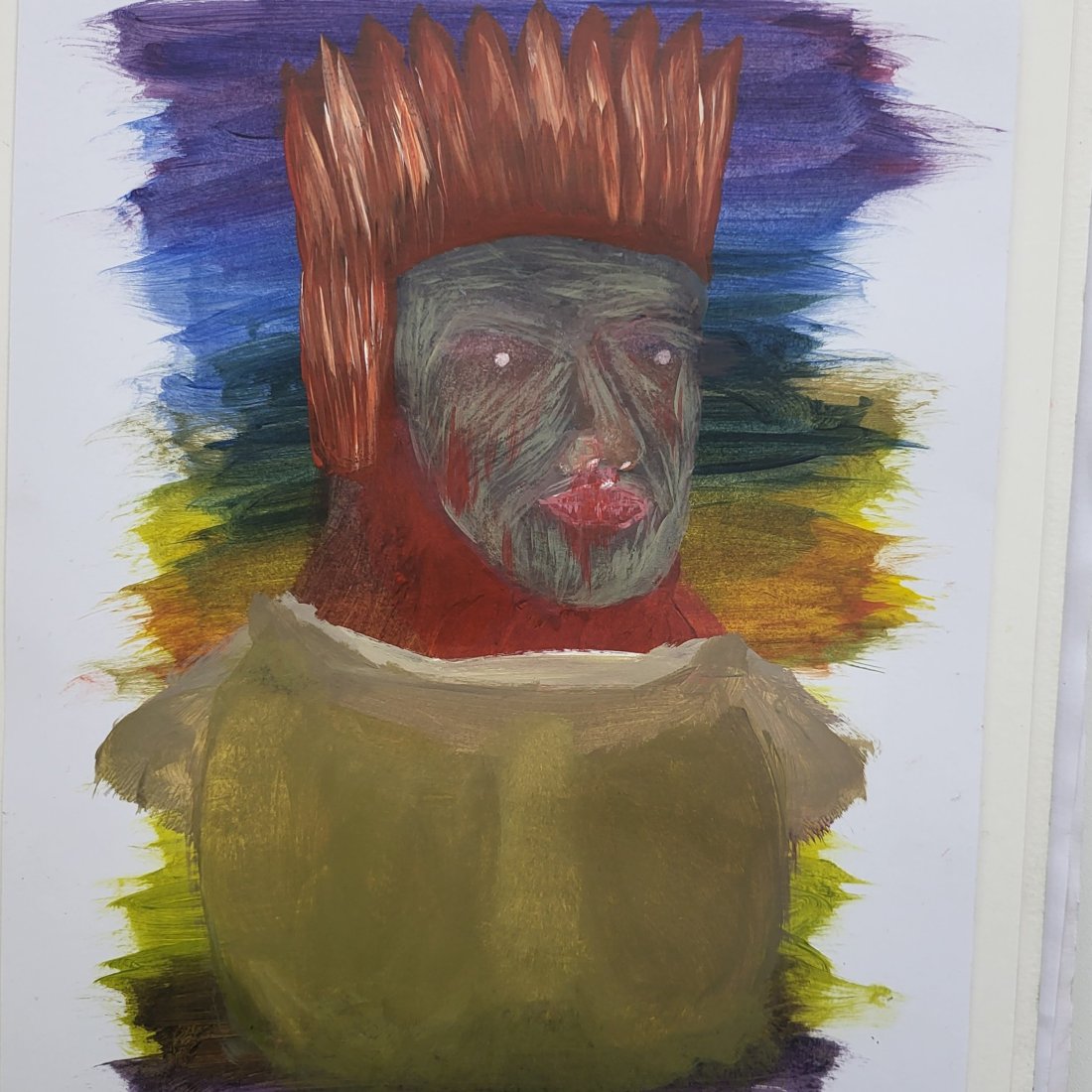
Using the same process as the previous three i behold to you my Wight Queen, dead eyed in her rusted bronze crown adoring her moss covered breast plate.

Thanks for reading and if you’ve any tips for painting traditionaly with acrylics I’d love to hear some input for future attempts.

Peace out mike!

Getting Into It

Over the past couple of days at college we where finishing the last sections in our Urban environment module as our first assessment was due on Friday at 12am sharp. I spent most of Monday and Friday evening paranoidly going over most of my modules making sure everything was up to scratch for this that I was up till the early hours as I didn’t want to be adding the finishing touches on the Friday morning during class.

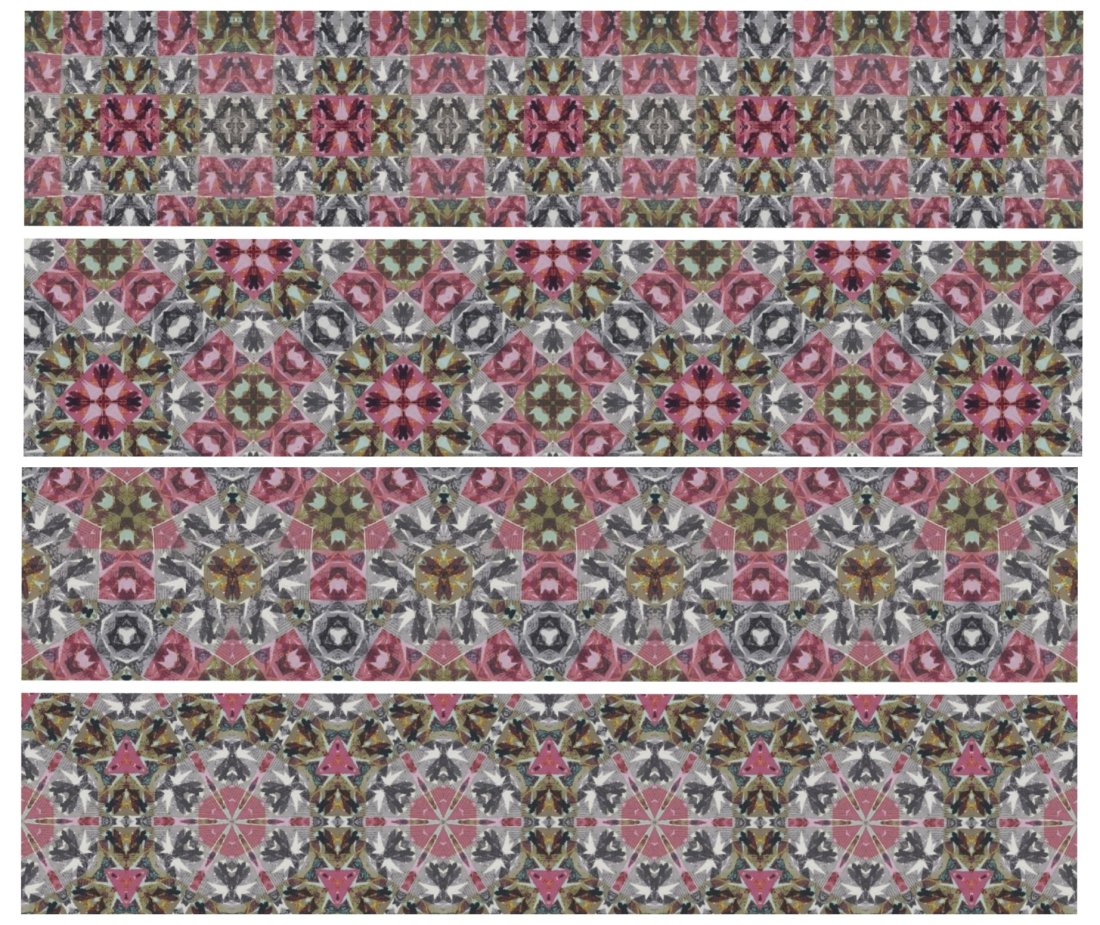
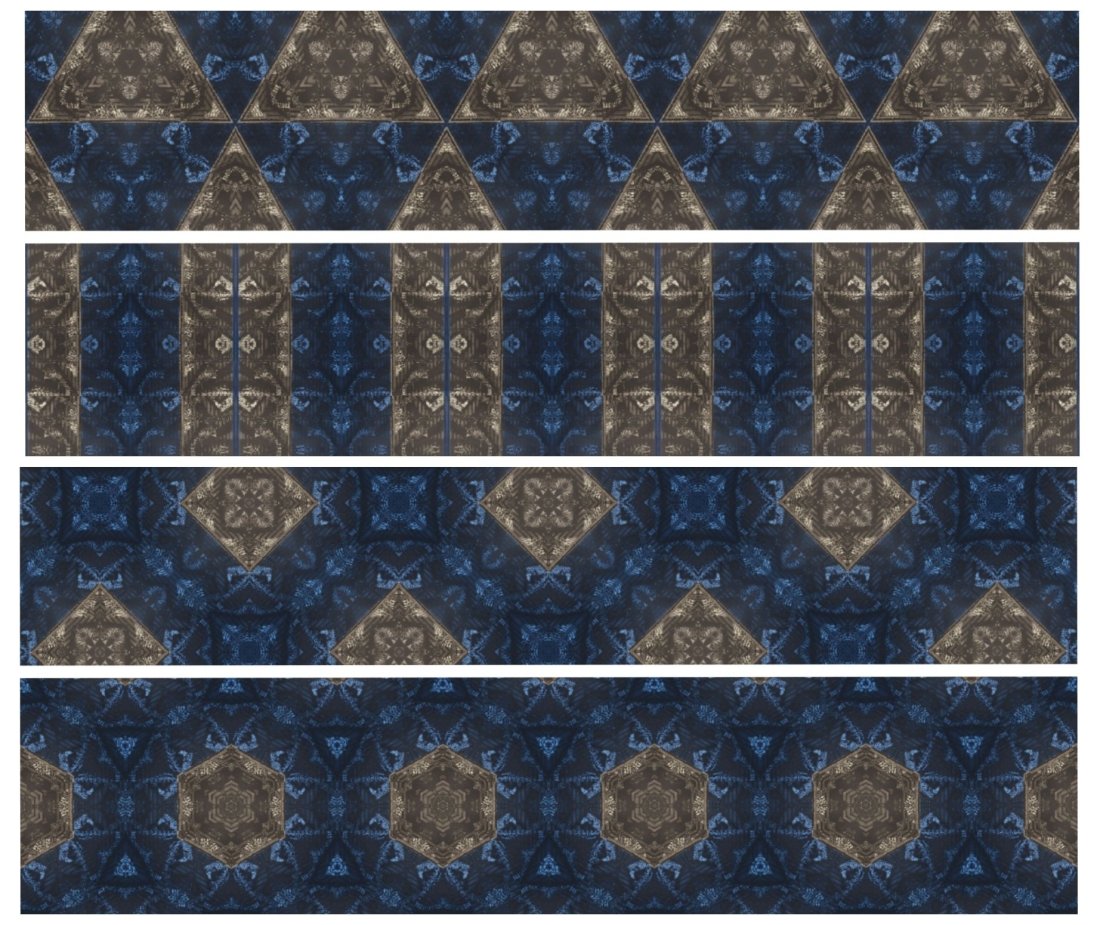
At class while others where doing last minute touches I spent my time going over the interior and fashion design magazines again that we had been using to adapt the repetitve paterns we had designed over the project.

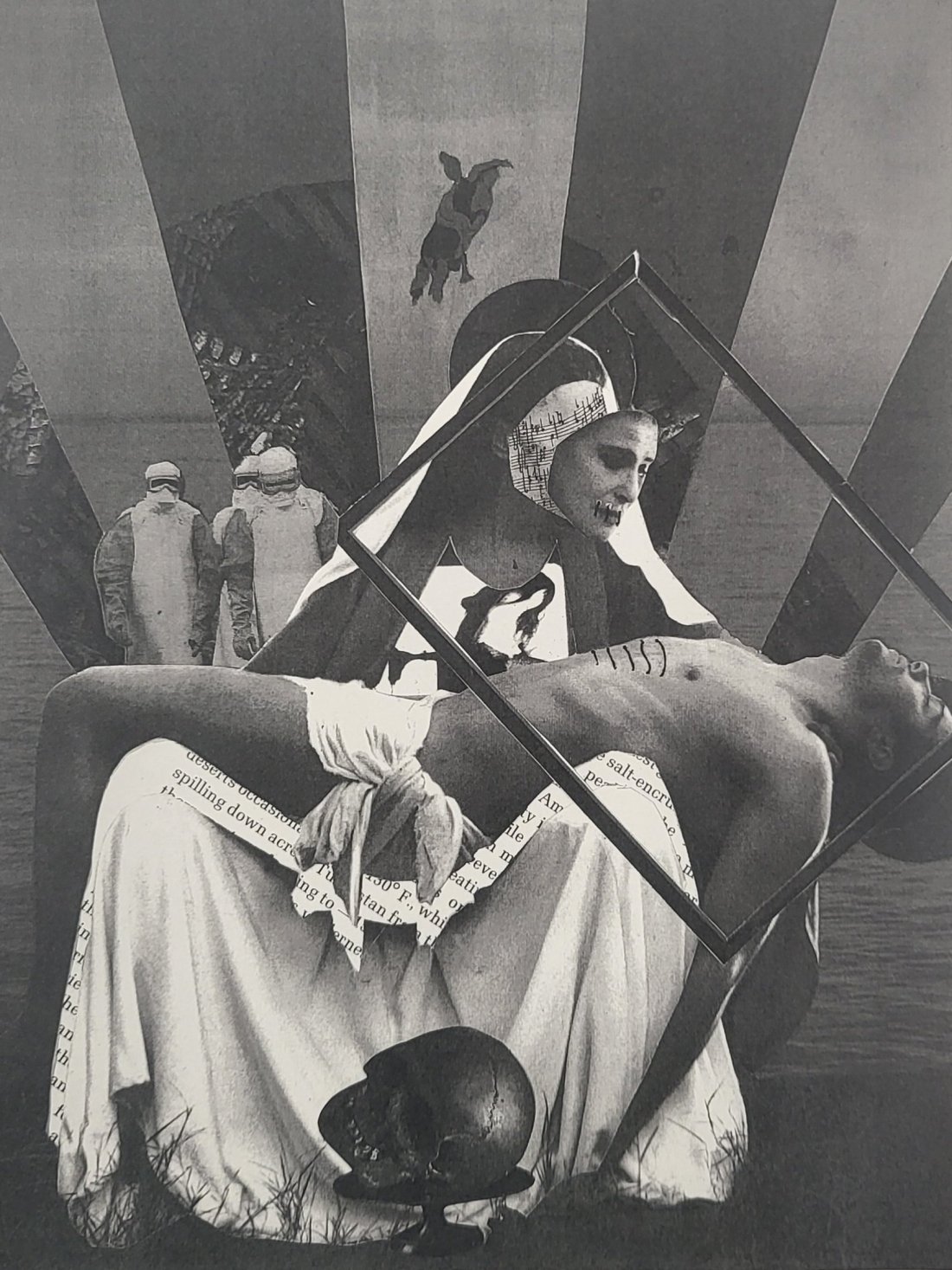
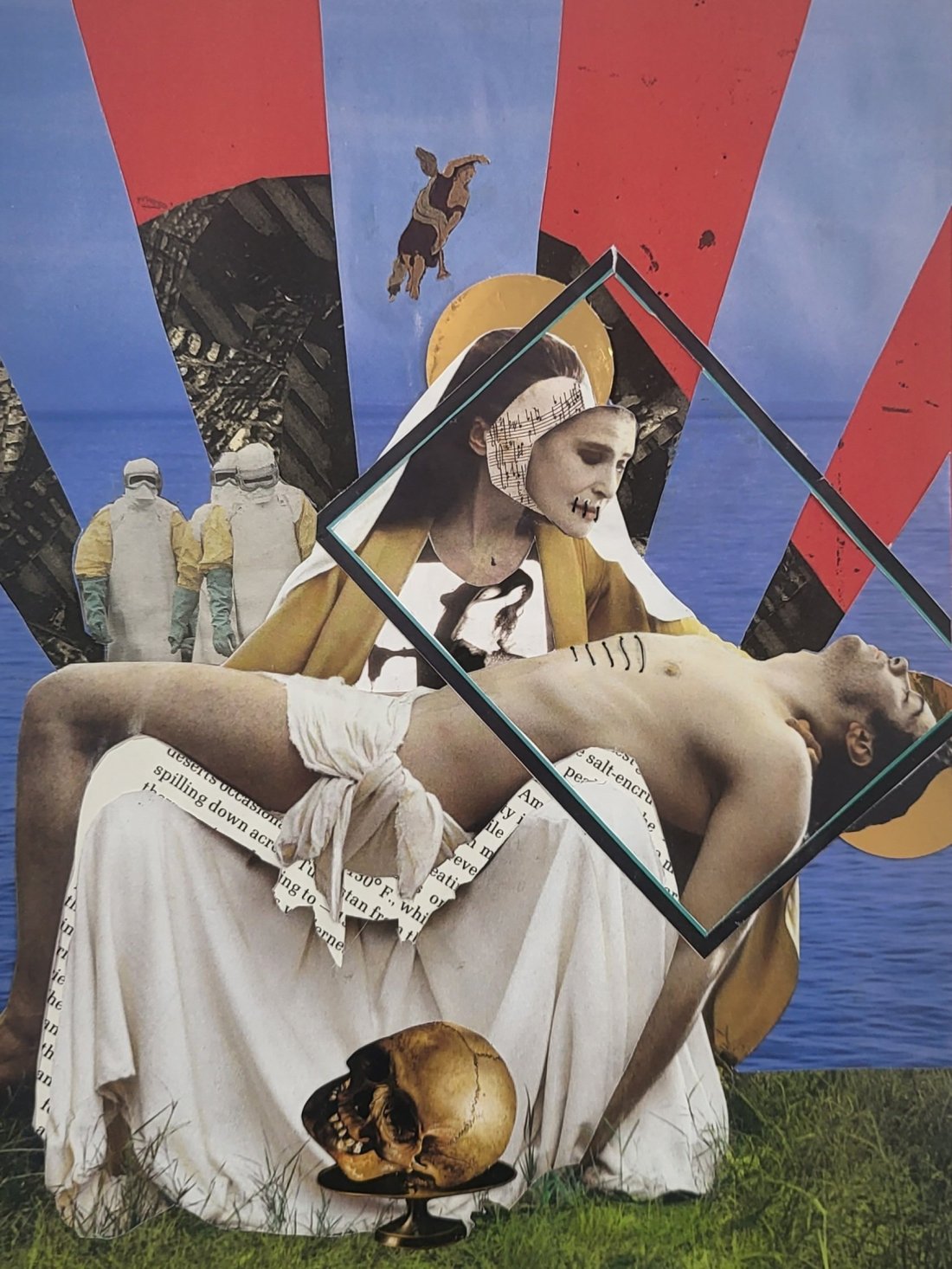
An image of what is to be believed is the virgin Mary cradling Christ after the crucifixion really stood out to me and and felt the urge to use it in some way. I began to use a vary of image elements I had hoarded of the course of our modules to incorporate into a collage and added a stitching method also, I apologise as I was so engrossed by myself working I completely forgot to record the progress of my piece as it grew to finished piece.

I chose to use elements from articles that I initially wanted to interweave into the cloak to portray the idea this is a story, hidden underneath this moment purposefully choosing to leave the ‘‘spilling down’’ text to add to the dynamic that Mary is dropping Christ.

Initially I wanted to remove the face to leave empty as a sort of negative space but chose to use the image of musical notation as I feel it would pair well with an idea of stitch to incorporate that she remains silent in this moment of deep sorrow yet there lies brief song of beauty with a very mediavalistic angel aiding in playing this song.

Deep in the chest I added a faint black and white image to again show the internal struggle that is being held in at the moment in time that she exemplifies. I then chose to frame the section of Mary longing over the death of her son as it felt like it aids in the composition of the piece drawing the mood to the action and impact it has.

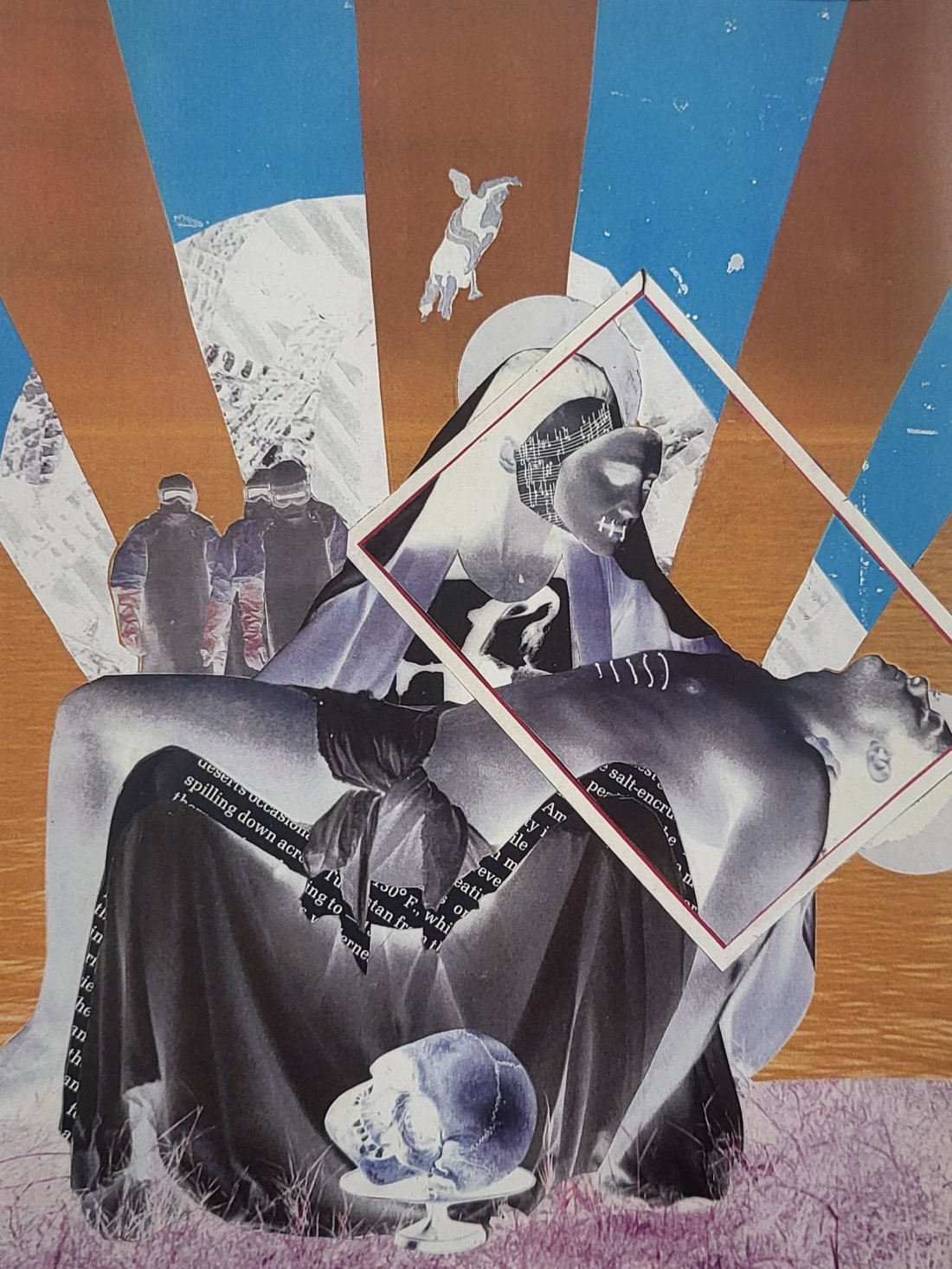
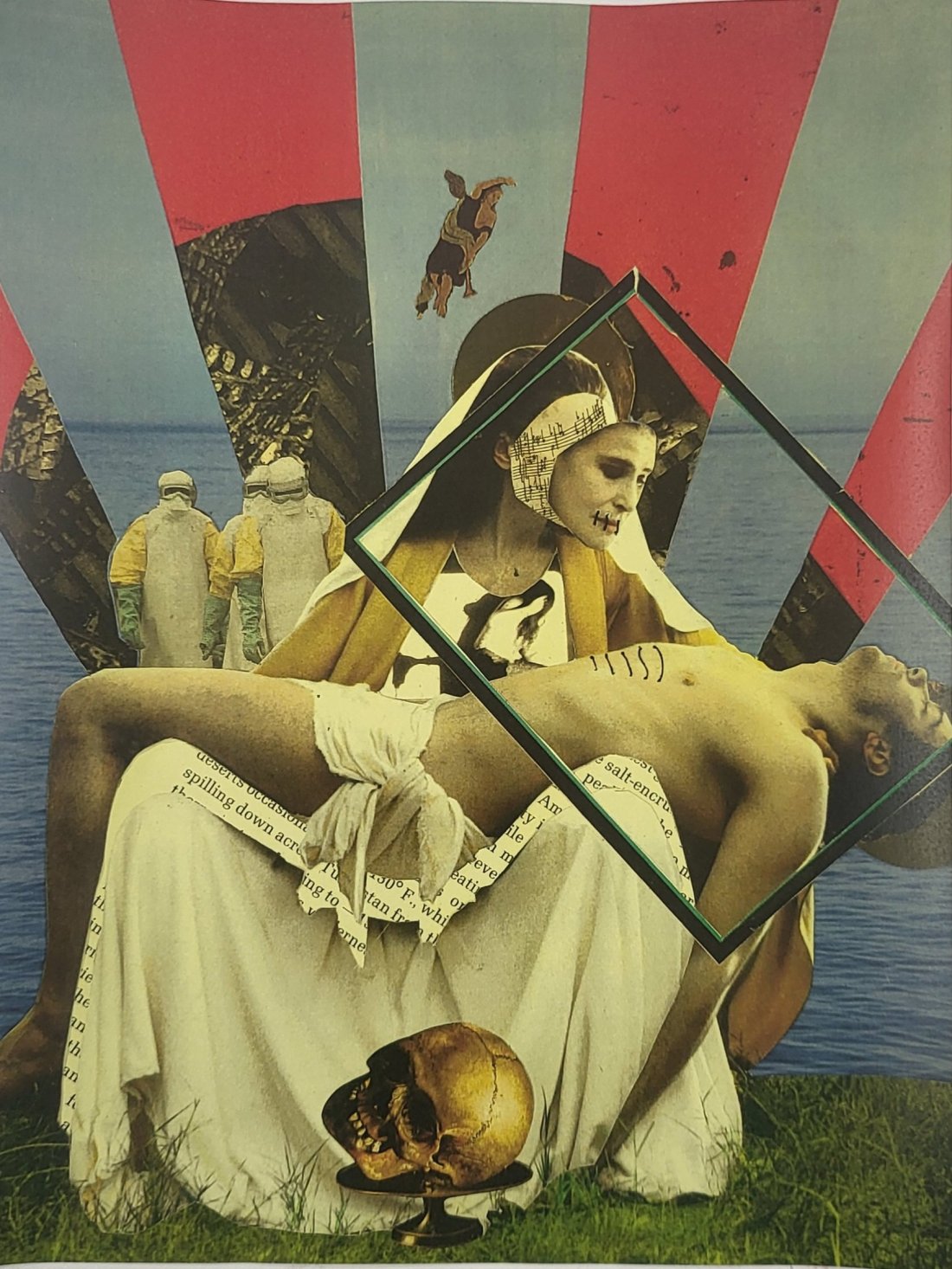
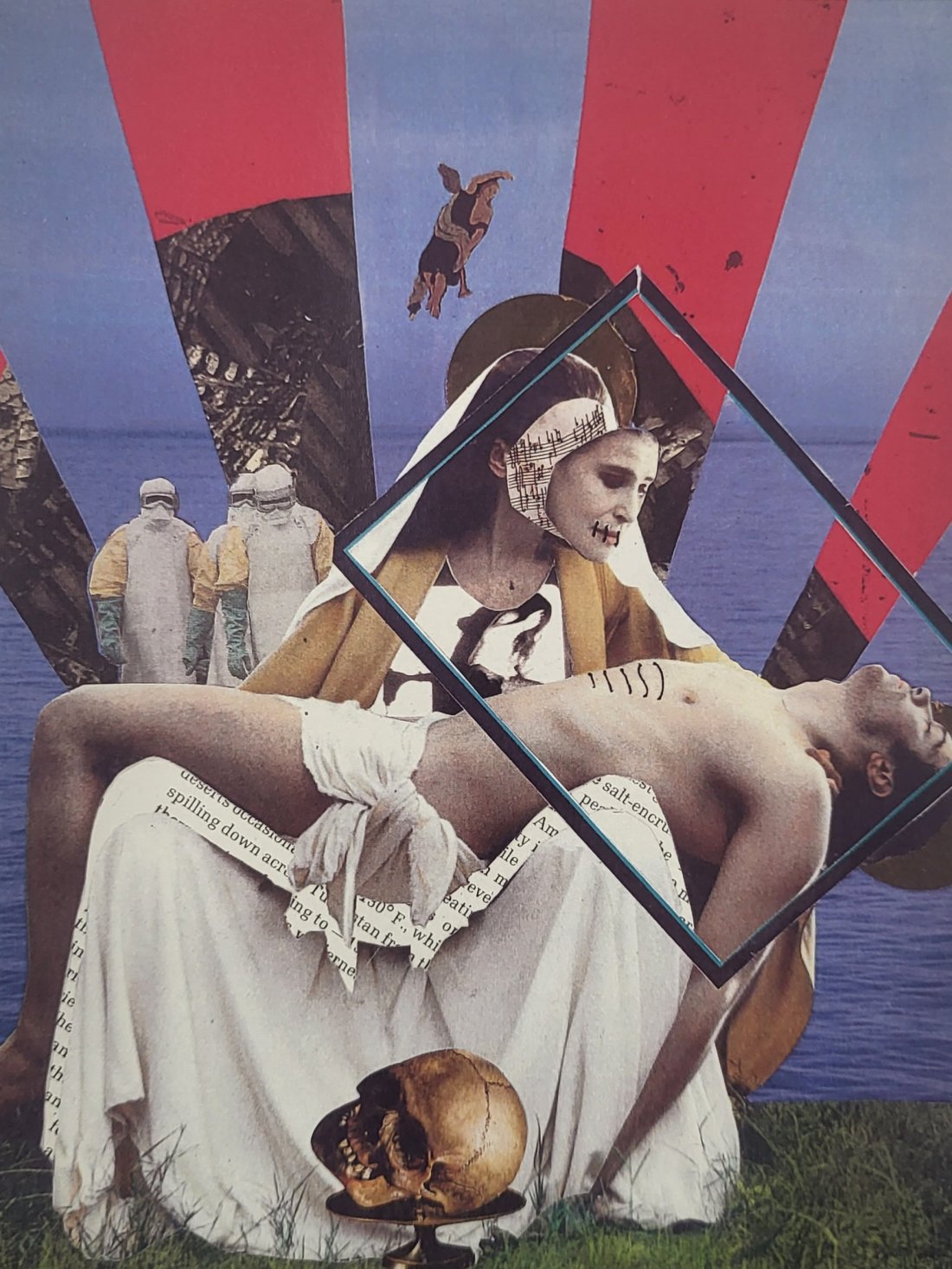
I tried to replicate how the transfiguration and halos where done in old Christian art pieces with the scrap materials I had at hand over various projects. After completion I ran my finished collage through the photocopier experimenting with different overlays and and removing certain colours.

I really enjoyed working on this and with the juices flowing ill definitely be on the look out for more scrap images people overlook, must add that my eyes are opening up to more artists now than before which is helping in a diversification of media exploration.

Id love to hear your thoughts on this work so please leave a comment or feel free to drop me an email if you have any ideas of great things for resources or even just criticism on my writing as its something i’m looking forward to improving on.

Mike out….