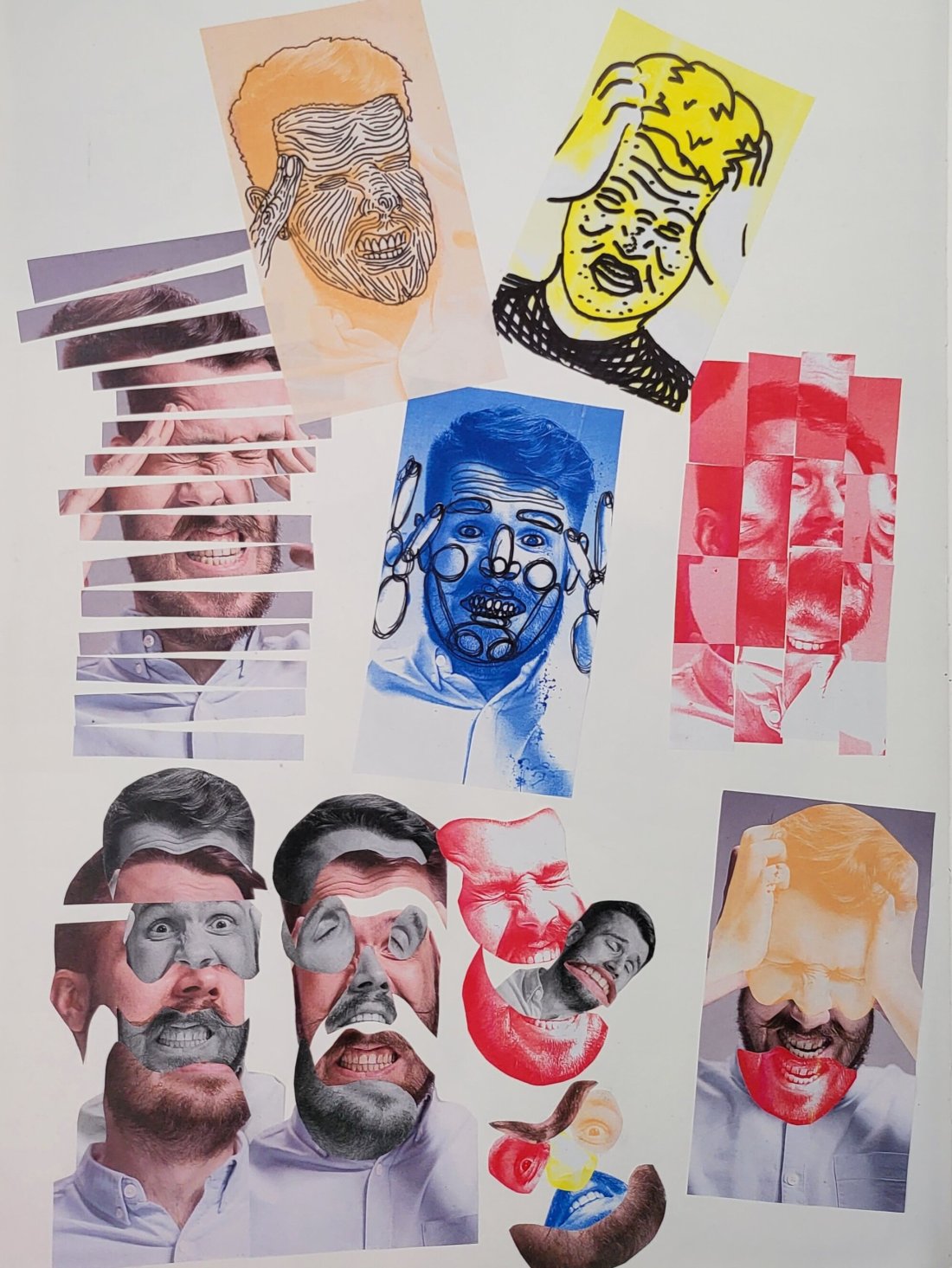
I feel im repeating myself again but art has always served as a powerful medium for self-expression and escapism, enabling artists to convey emotions, experiences, and narratives that might be difficult to communicate through words alone. One fascinating approach I’ve discovered over the past year is contemporary artists use collage to explore and reveal various forms of trauma through portraiture. Collage allows artists to deconstruct and reconstruct images, combining elements to create a visual language that exposes the complexities of trauma.
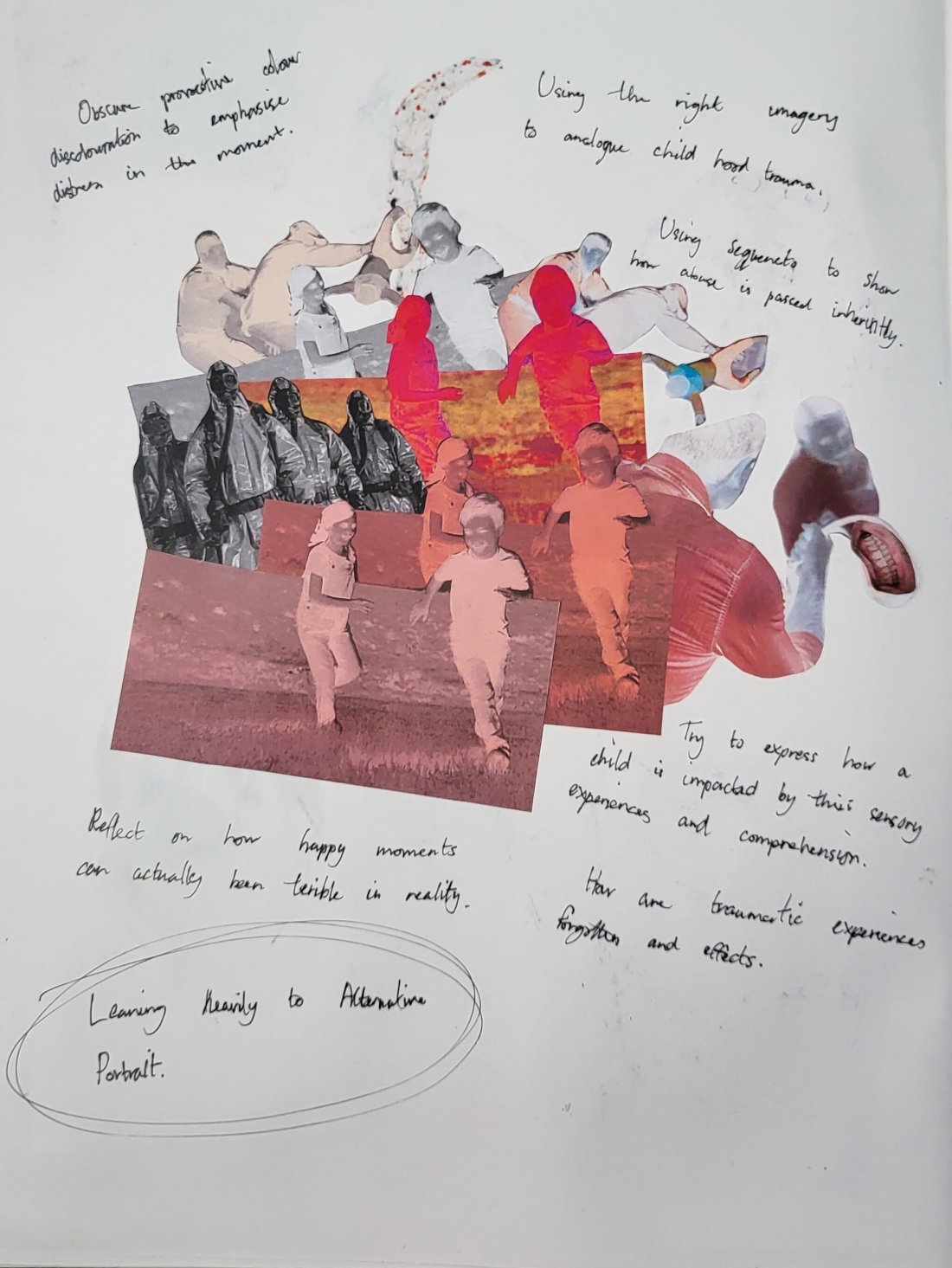
Trauma is a deeply personal and complex experience and something that has fascinated me for some time as it often leaves lasting imprints on an individual’s personality and well-being. It can be the result of various life events such as violence, war, loss, abuse, or just as simple as personal struggle. Trauma seems to manifest in different forms, including physical, emotional, and psychological. Its impact can be far-reaching, affecting not only the individual but also their relationships, identity, and overall worldview.
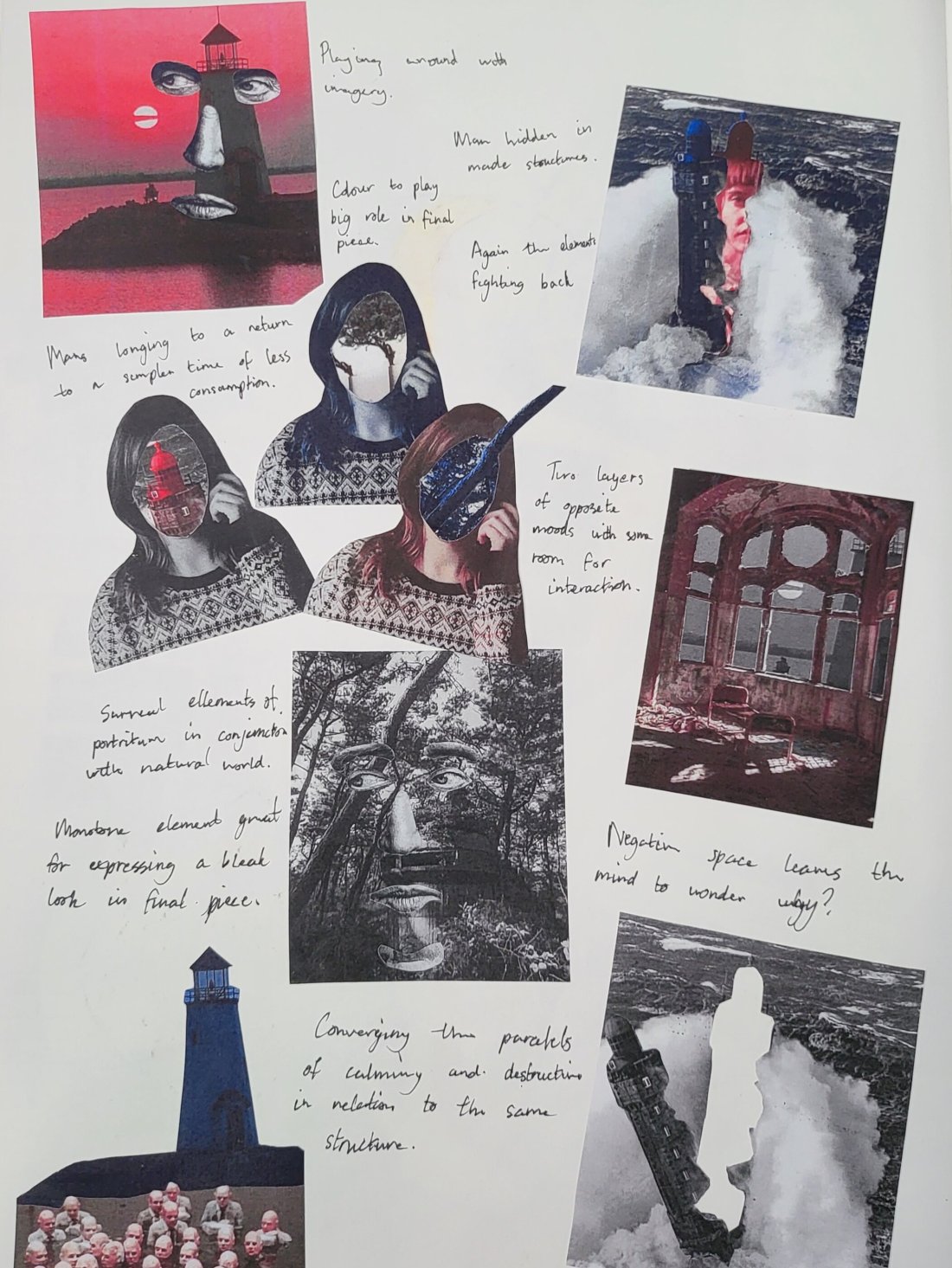
Collage, as an artistic technique, involves the assembly of diverse materials, such as photographs, newspaper clippings, fabric, and found objects, to create a unified composition which has been by far the best experience ive had exploringmore of over the past year. By layering these elements I can construct the visual narrative that evokes deeper meanings and emotions. Collage allowed for the fragmentation and reconstruction of my collated images, reflecting the fragmented nature of traumatic experiences.
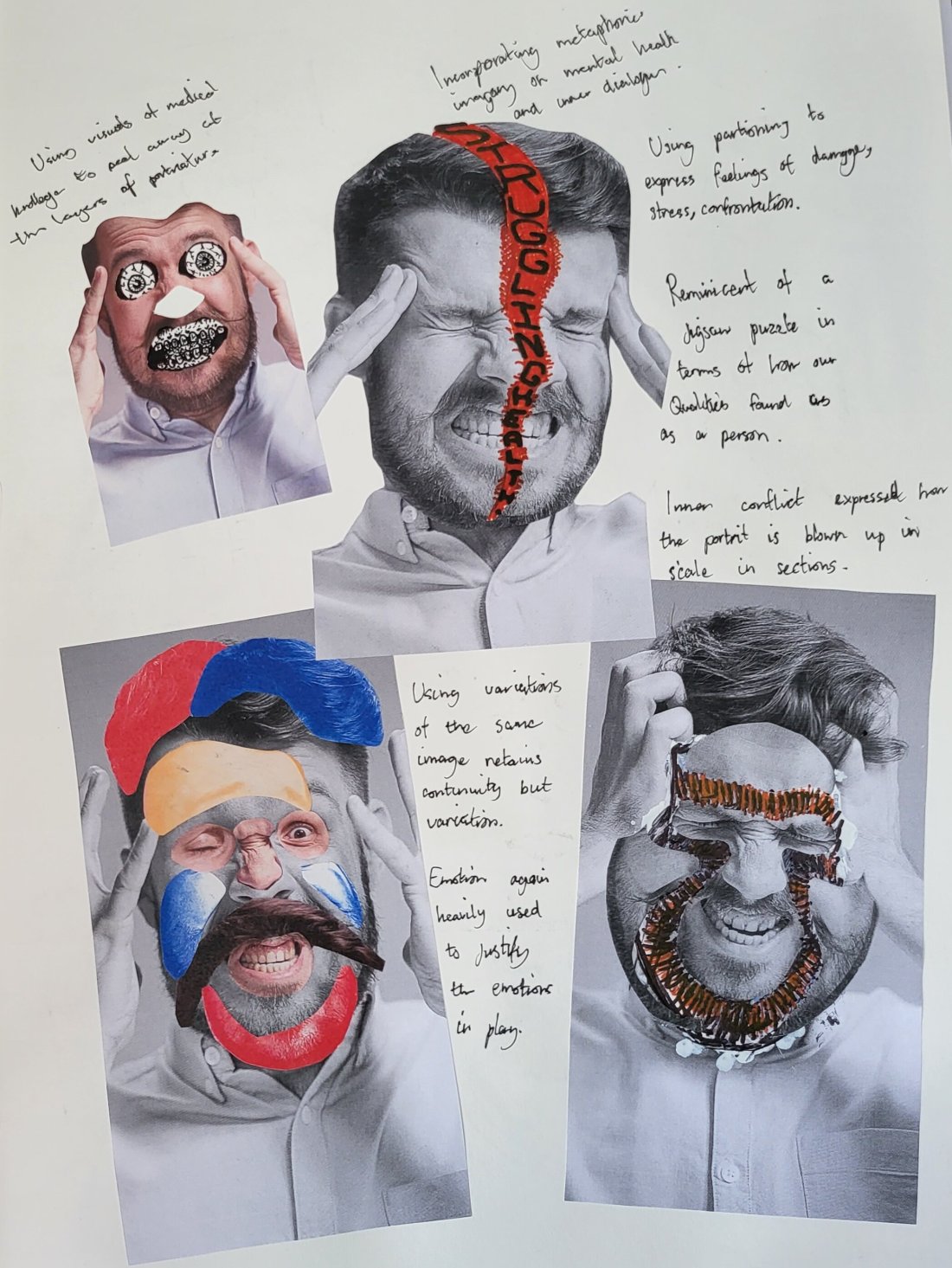
Portraits have long been a favored subject in art and im warmi g up to it myself, capturing the essence of individuals and their stories. When combined with collage, portraits gain a new dimension no matter how simple they may be, enabling me to explore the multifaceted nature of trauma. By merging different visual elements I try to convey the disintegration and reintegration of personal identity in the aftermath of traumatic events.
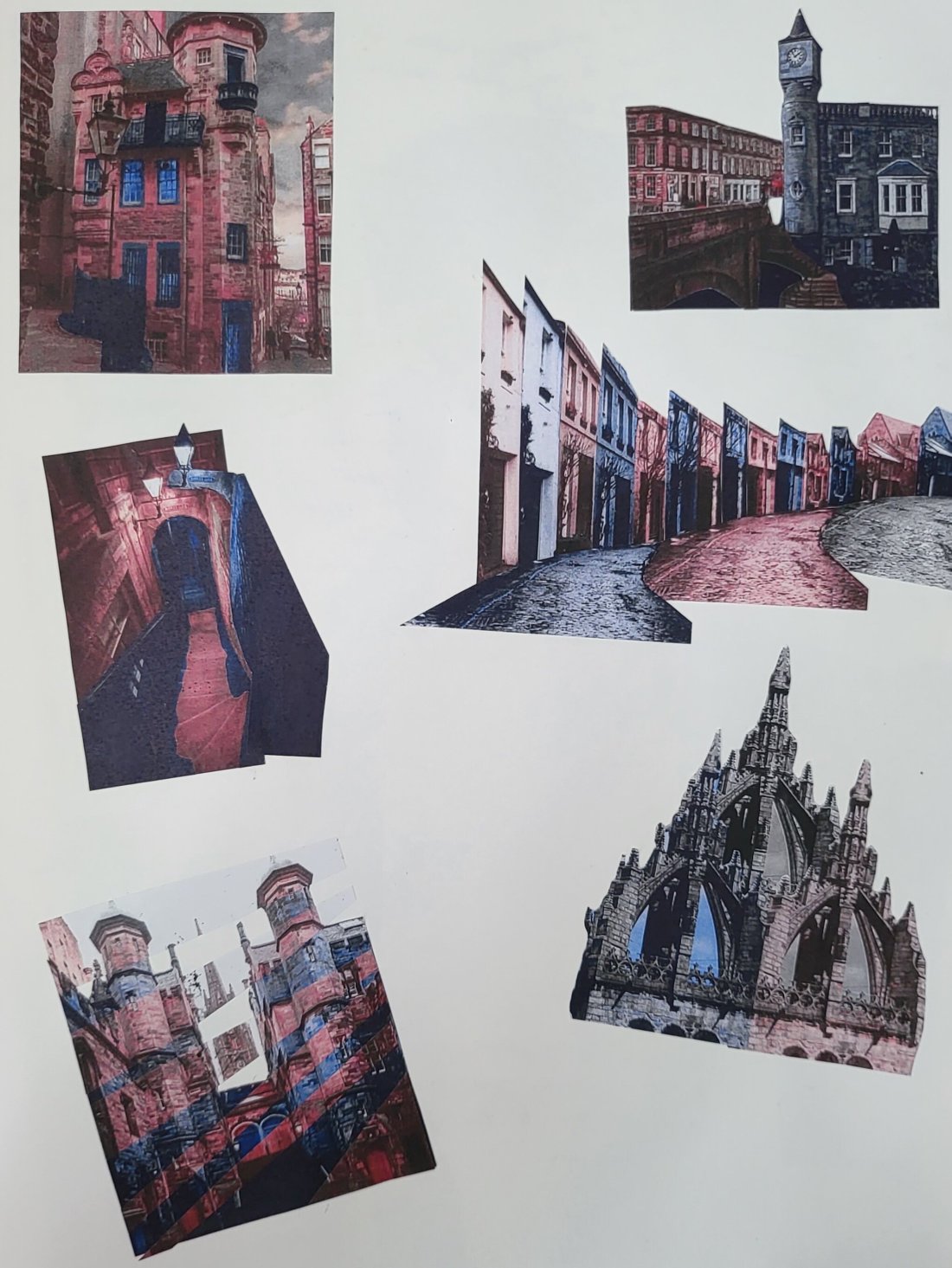
Collage techniques, such as tearing, cutting, and overlapping images, provide a visual representation of the fragmentation experienced by those affected by trauma. This process mirrors the way trauma disrupts the narrative of one’s life, shattering a sense of coherence and creating a fragmented sense of self. It really does amaze me with the deliberate selection and arrangement of images artists can depict the complexities of trauma and its lasting effects.
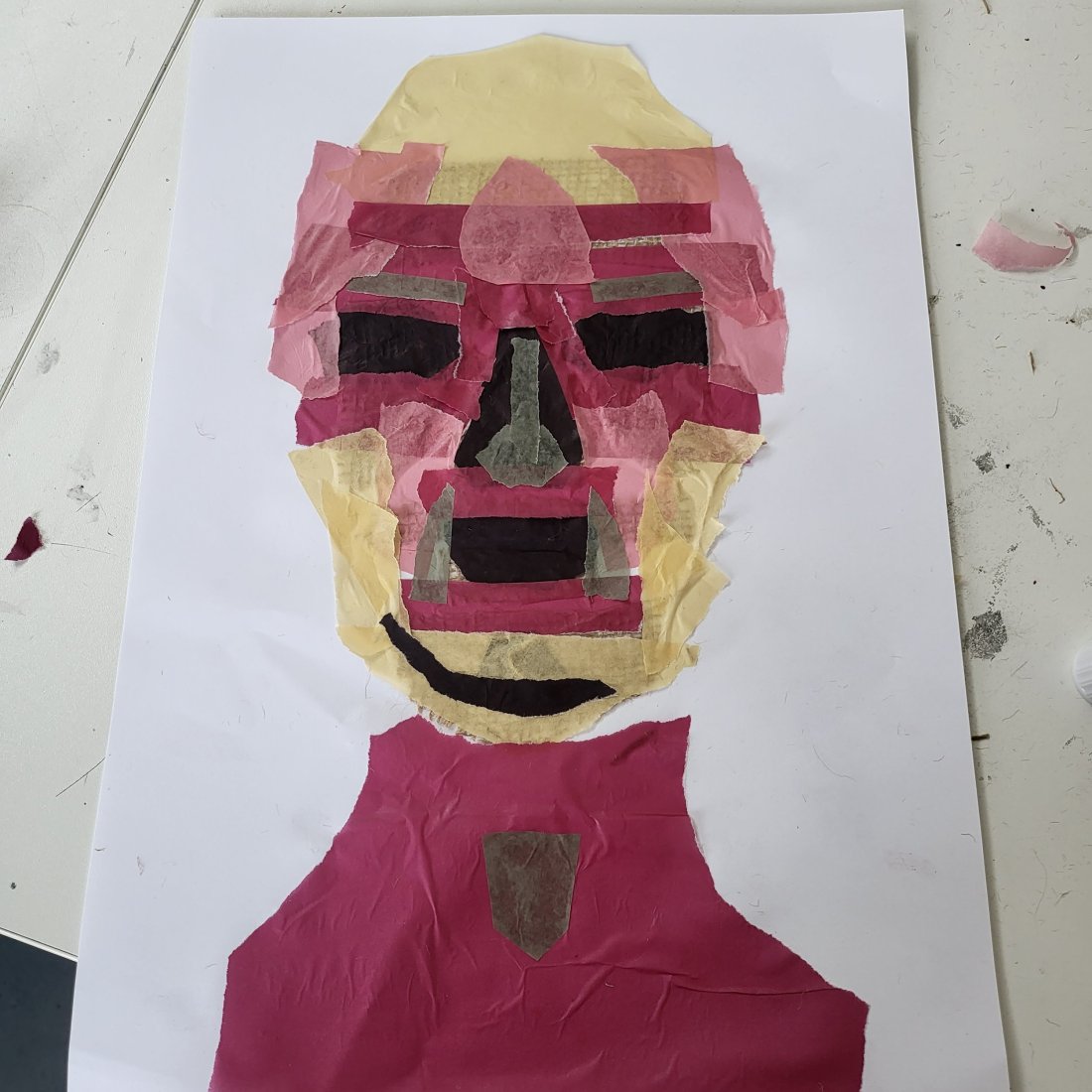
My collage developments really allowed the incorporation of symbolic elements that can represent specific traumas or emotions. By integrating objects, symbols, or text associated with traumatic experiences, artists can establish a visual language that resonates with viewers and elicits empathy and understanding.
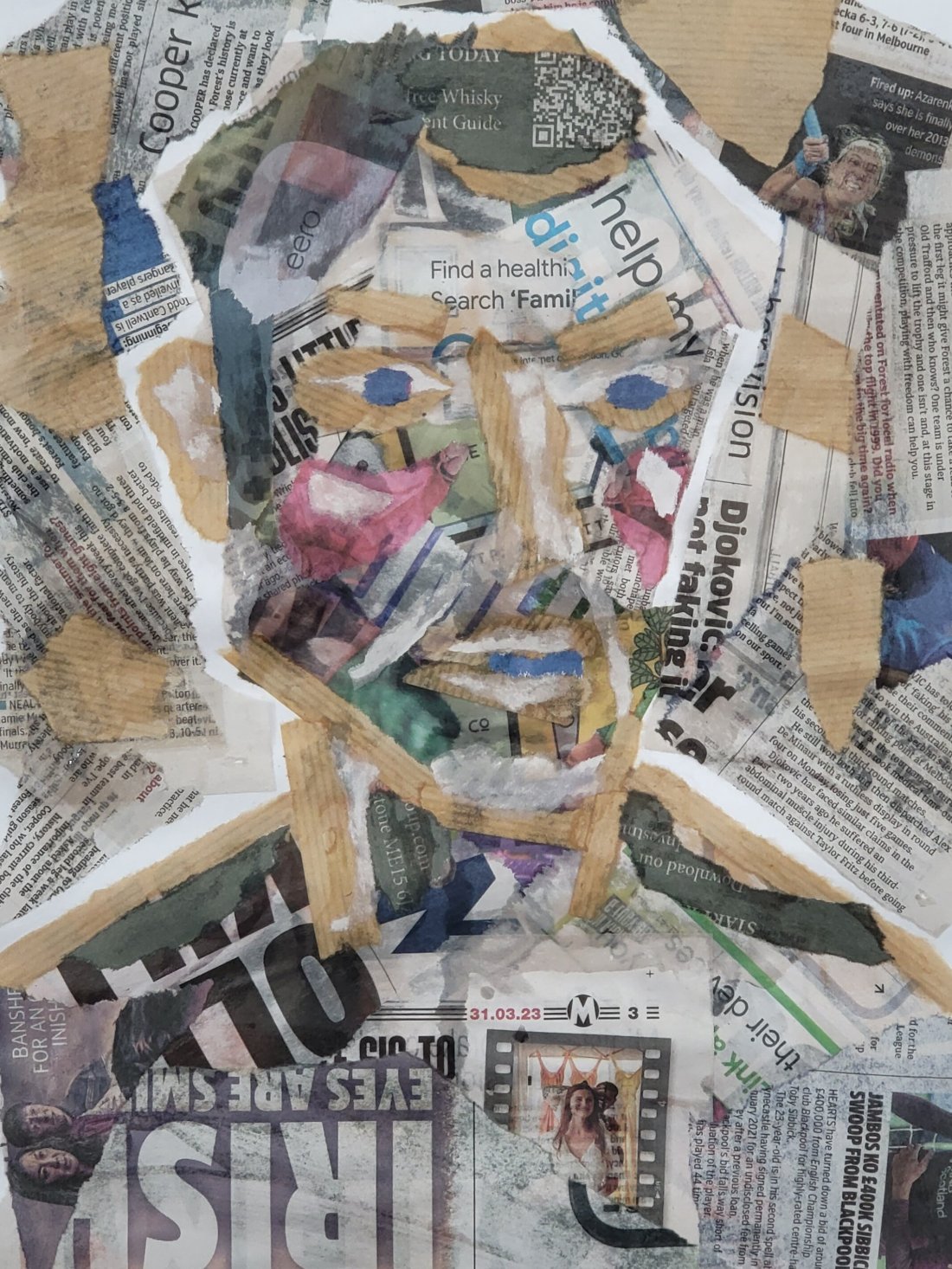
Experimenting with collage as a medium for revealing forms of trauma through portraits is a powerful artistic practice that helps novice artists like myself to express and explore the complexities of traumatic experiences. Through the process of deconstruction and reconstruction, collage captures the fragmented nature of trauma and its lasting impact on personal identity. By engaging viewers in a visceral and emotive manner and one hopes offer a platform for healing and resilience in the face of trauma.


