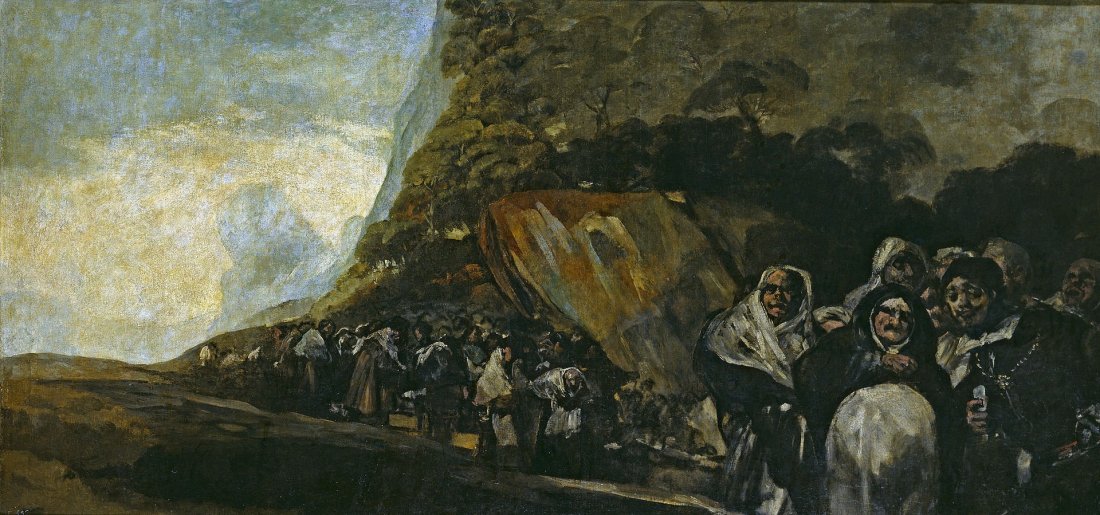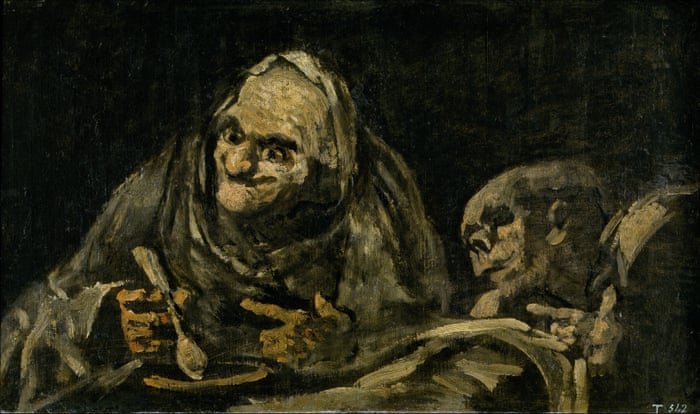
Francisco Goya’s Black Paintings have captivated many for centuries. Created during a period of political turmoil and personal suffering, these truly haunting works I regard as a personification of the trauma experienced by Goya and his fellow man. As an art student, I delved into the depths of Goya’s Black Paintings with some research and developments to explore their symbolic nature and the profound impact they had on the artist and society as a whole to this day. In this critical analysis i hope to shed light on the connection between Goya’s personal experiences, the historical context in which he created these paintings, and their significance as a representation of trauma.
Goya’s Black Paintings were created between 1819 and 1823, a time marked by political unrest and social upheaval in Spain with the Peninsular War, the Spanish Inquisition, and the oppressive reign of King Ferdinand VII had taken a toll on the Spanish nation. This context provides a glimpse for understanding the somber and introspective tone of Goya’s Black Paintings. They encompase a collective trauma experienced by Spanish society, encapsulating the despair, fear, and disillusionment prevalent during that era.
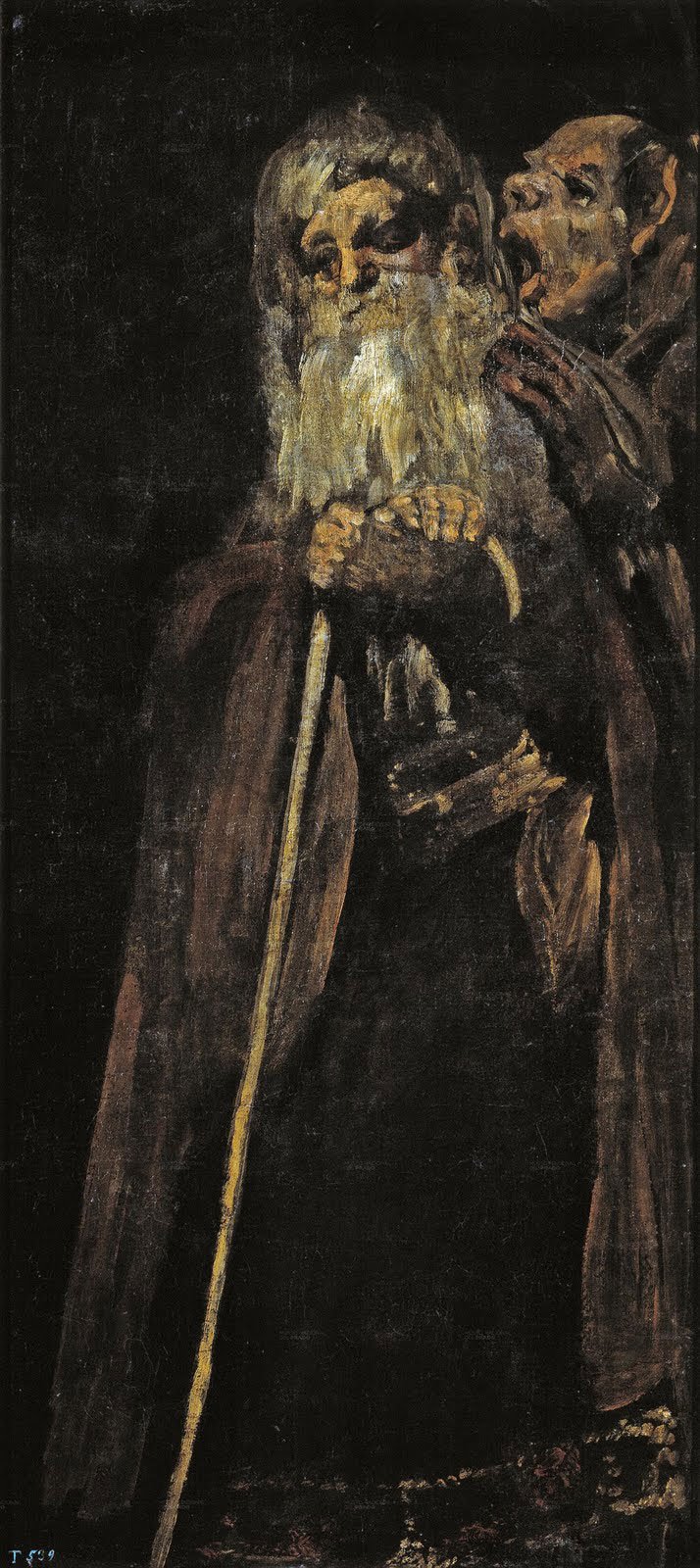
Goya was a superstar in his prime but his personal life was also shrouded in tragedy and affliction. In 1792, he contracted an illness that left him deaf, isolating him from the world and leading to an overwhelming sense of alienation. Furthermore, Goya experienced the loss of loved ones and witnessed the brutality of war. The culmination of these personal traumas likely influenced the dark and introspective nature of the Black Paintings.
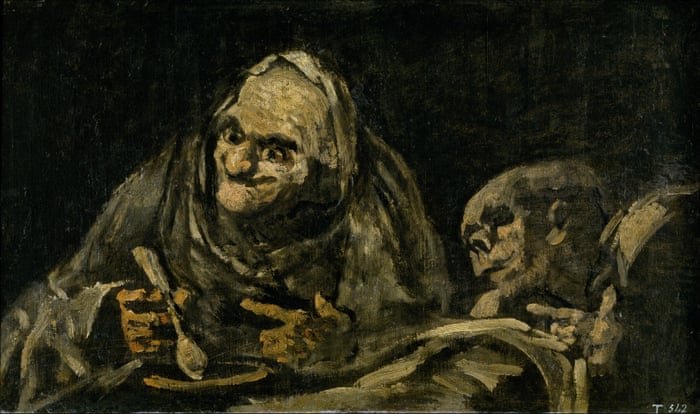
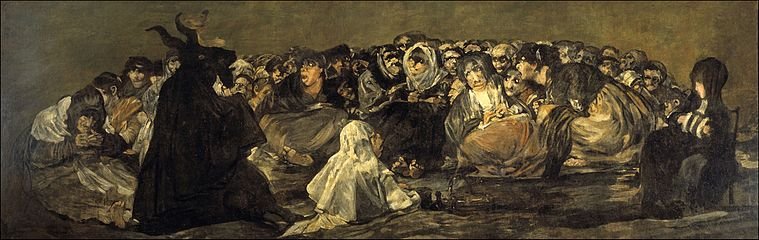
The Black Paintings depict various themes that can be seen as a reflection of trauma. One of the most famous works, “Saturn Devouring His Son,” portrays the Greek mythological god Saturn consuming his offspring. This gruesome image can be interpreted as a metaphor for the destructive nature of power and the cyclical nature of violence. Other themes explored in Goya’s Black Paintings include madness, isolation, and the fragility of human existence. These themes resonate with the profound sense of suffering and uncertainty prevalent during the time of their creation.
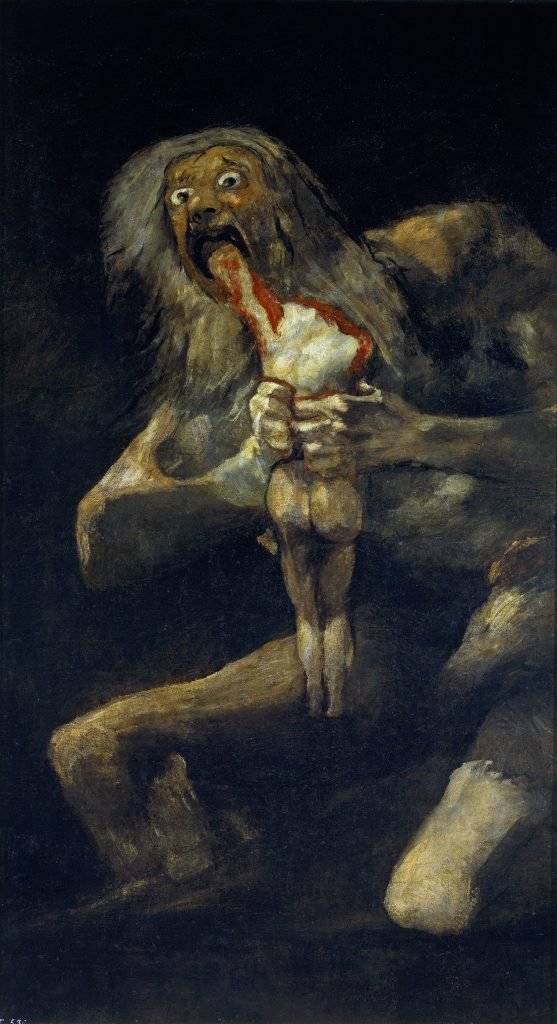
Goya’s artistic choices in the Black Paintings emphasize the emotional impact of trauma. The use of dark, monochromatic tones and chiaroscuro enhances the atmosphere of gloom and despair. The absence of vibrant colors and the presence of grotesque and macabre imagery evoke a sense of horror and unease. Goya’s deliberate abandonment of the usual traditional artistic conventions also suggests a desire to express the raw and unfiltered emotions, unburdened by societal expectations all in the privacy of his own home and without the thought of exhibiting.
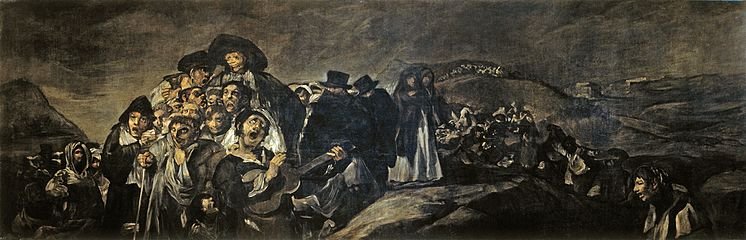
Initially intended as private murals within Goya’s home, the Black Paintings were not widely known until after his demise. Their discovery and subsequent public display in the 19th century generated intrigue and fascination among art conisuers and scholars. The raw emotional power and introspective nature of these works influenced subsequent generations of artists, notably the Expressionists, who sought to explore psychological depth and convey personal and societal trauma also through their art.
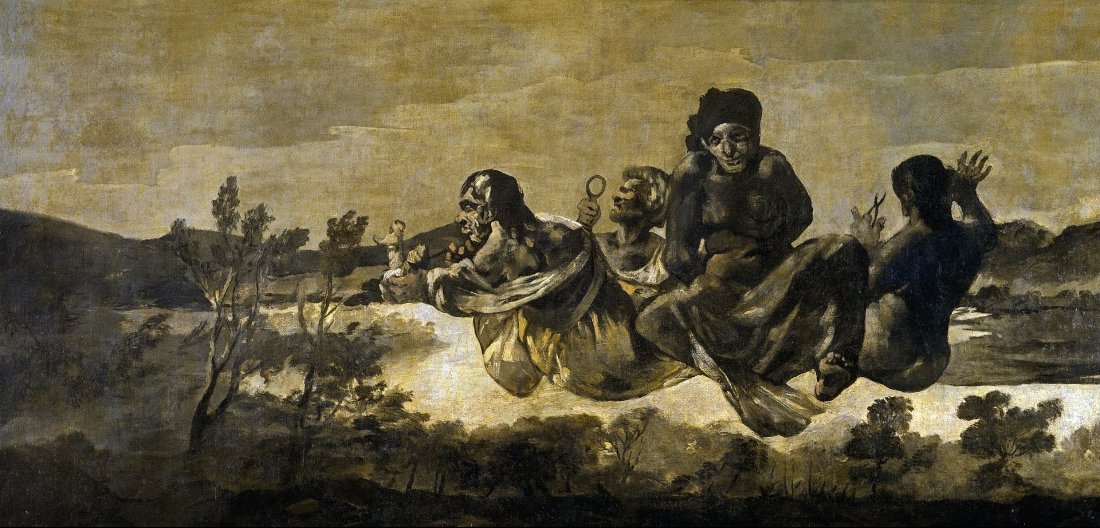
Goya’s Black Paintings stand as the pinicale example of the enduring power of art to convey the human experience, particularly the profound impact of trauma. Through these haunting works, Goya captured the collective suffering of a nation and expressed his own personal anguish. The historical and cultural context in which they were created, along with Goya’s own hardships, contributed to the dark and introspective nature of the paintings. Symbolism, artistic expression, and subsequent influence on art movements all contribute to the enduring significance of Goya’s works.